It’s a familiar story for all homeowners across America. You set a mouse trap, hold your breath when it slams closed, and think the problem’s solved. Several days later, the scratching sounds reappear within the walls.
Why do mice keep coming back, even after you set all those traps? The answer is more complicated and more common than you would think. Over 21 million U.S. homes become victims of rodent infestations annually, especially as winter approaches, according to the National Pest Management Association.
At Lavender Pest Control, we’ve been helping homeowners and businesses across the United States solve mouse infestations for nearly 50 years. Here’s why mice return, what doesn’t work, and what truly keeps them out for good.
 Why Hiring A Pest Control Company Is The Best Option To Get Rid Of Mice
Trying to get rid of mice on your own can be an endless task. You can set traps, block holes, and sweep up droppings, only to find new signs of activity the following week. That is because mice are clever, they breed a lot, and they’re great at concealing themselves.
These are some of the reasons why it is the smarter, safer choice to call an experienced pest control company such as Lavender Pest Control:
- Experts notice what you don’t. Trained specialists discover hidden mouse nests and openings where most homeowners don’t.
- Professional equipment and baits. We use tamper-resistant bait boxes, snap traps, and control products that are safe and effective.
- Prevention is built in. Our experts seal openings, remove food sources, and provide continuing control plans to keep future infestations from occurring.
- Health and safety first. We clean and disinfect contaminated surfaces, keeping your home free from disease-carrying urine and droppings.
Experience makes a difference in mice control. A pest management professional doesn’t just kill a few mice; we eliminate infestations and keep them from recurring.
Why Mice Keep Coming Back
Mice are small, smart, and very tolerant. Once they find an entrance to your home, they never let it go without a struggle. The following are the main reasons why these mice keep coming back, even after you think you’ve eliminated them.
1. Unsealed Opening Points
One of the largest homeowner errors is resolving the mice in sight but ignoring the small cracks and holes that let them in.
A house mouse will fit through an opening not even a dime in diameter. That is:
- Gaps between pipes or utility lines
- Cracks in foundations
- Spaces under doors or windows
- Open vents or torn screens
Even if you trap or bait, new mice will keep coming in if you fail to seal entry points completely. At Lavender Pest Control, our professionals inspect every part of the foundation, crawl spaces, and attic of your home to find and seal up the areas where mice are most likely to be entering.
2. Food Sources Present
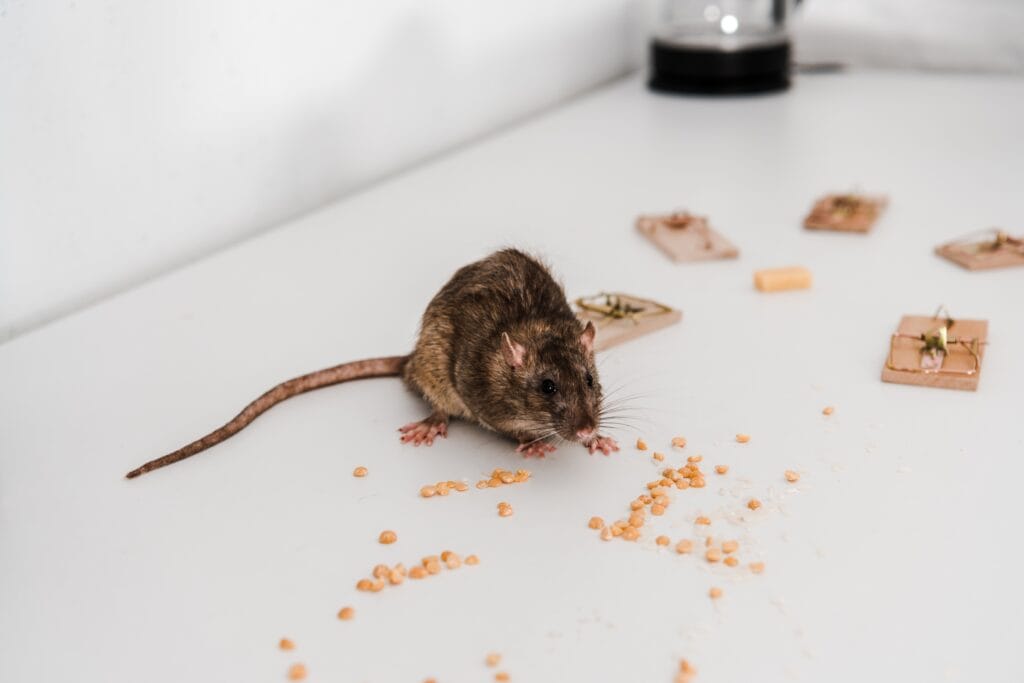
Mice are opportunistic feeders. They’ll eat just about anything: grains, pet food, crumbs, and even soap or paper. If you leave food out overnight, or if you store dry foods in paper or cardboard, you’re essentially laying down a welcome mat for mice.
To limit mouse activity:
- Store dry foods in sealed containers.
- Wipe up crumbs the moment they occur.
- Remove trash regularly.
- Don’t leave pet food out overnight.
A clean kitchen isn’t merely a cosmetic measure; it’s a necessary precursor to successful mouse control.
3. Hidden Nests And Breeding
If you see one mouse, chances are there are lots more nearby. Mice breed rapidly, a single female can have up to 10 litters in a year with as many as 5,12 pups per litter. They build nests in quiet, hidden areas such as:
- Behind appliances in the kitchen
- In walls and floors
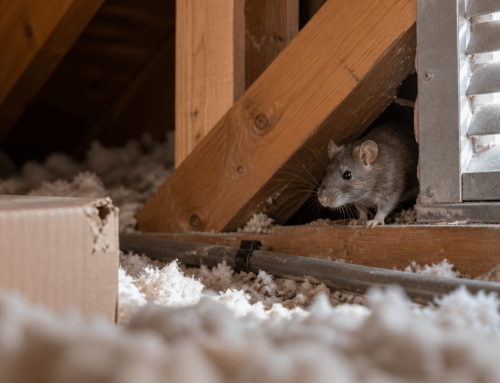
- In attic insulation
- In crawl spaces or basements
Unless you locate and eliminate the nests of mice, your infestation will repopulate quickly, no matter how many traps you lay.
4. DIY Methods That Come Up Short
We know the allure of attempting DIY mouse control, traps, peppermint oil, or ultrasonic repellents is simple to pick up at the store. But these methods usually don’t solve the whole problem.
Most over-the-counter pest items will only solve the visible mice, but not the source of the infestation. That is why professional pest control is generally the way to go to eliminate mice for good.
What Doesn’t Work For Pest Control For Mice (And Why)
There are numerous ways of getting rid of mice floating around on the internet, but not all can be relied upon. Here’s what doesn’t work, and why these solutions fall short.
1. Using Traps Alone
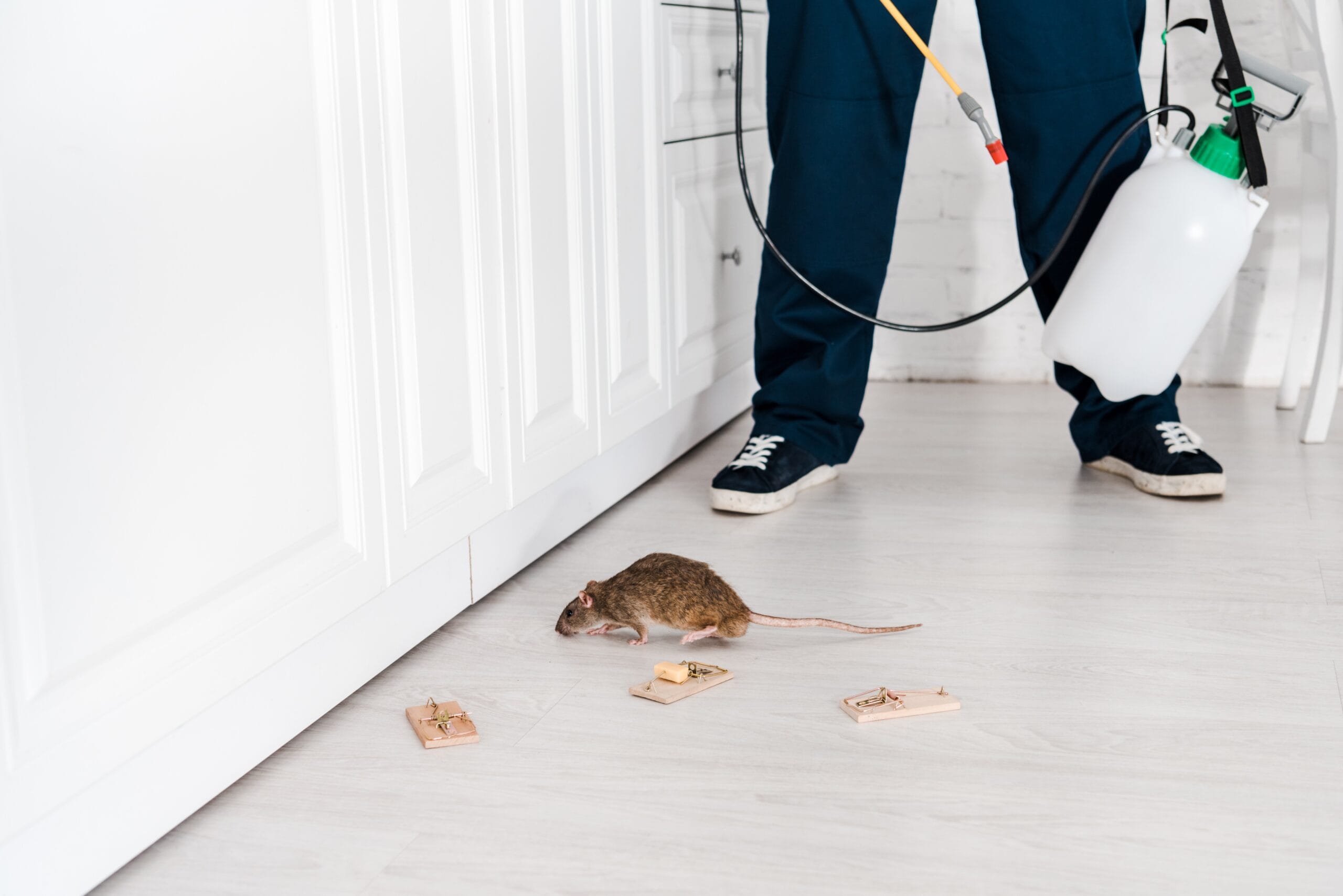
Traps are good, but they’re only half the story. Some wall snap traps will catch a few mice, but won’t keep new ones out. And glue traps or live traps, used improperly, bring misery but don’t solve the problem. Traps work best after blocking entry holes and removing nesting areas, not earlier.
2. Ignoring Sanitation
Even the best mouse eliminator can’t keep mice from returning if your home keeps providing easy meals. Mice leave behind droppings, urine, and chew marks near food, and their pheromone trails welcome other mice. If the treatment area is not cleaned and disinfected afterward, it becomes a welcome mat for new arrivals.
3. Using Ineffective Repellents
Peppermint oil, dryer sheets, and ultrasonic devices are often touted as ways of repelling mice, but research shows that they don’t offer much long-term protection.
At best, they may deter mice temporarily. At worst, they create a false sense of security as the infestation moves deeper into your home.
4. Not Finding The Nest
Even if you succeed in killing some mice, the nest remains, and with it, more mice just waiting to emerge. If you see mouse signs, such as black pellets of waste, chewed electrical cords, or torn insulation, it’s time to excavate further.
Mice in your home generally reside in the region 10,30 feet from the food, and they will usually do this in your attic, walls, or beneath floors. Lavender Pest Control technicians are trained to locate out-of-sight mouse nests and destroy them safely without reinfestation.
What Actually Works To Stop Mice For Good
After decades of experience handling rodent infestations across northeast Georgia, we’ve found that lasting results depend on an integrated approach. Here’s what actually works, backed by science and practice.
1. Seal Every Entry Point
The first and most critical step in mouse control is sealing every possible entry. We fill gaps with professional-strength materials like steel wool, metal flashing, and caulk around foundations, vents, and pipes. Mice can’t chew through rubber and foam, but can’t chew through concrete or metal. This precise yet simple step keeps new mice from getting in and stops the reinfestation cycle before it starts.
2. Strategic Trapping And Baiting
Once your home is sealed, tamper-resistant bait stations and traps can eliminate any lingering mice safely. Effective control methods are:
- Snap traps: Quick and humane when properly set along walls.
- Tamper-resistant bait stations: Locked enclosures with mouse bait inaccessible to children and pets.
- Live traps: For homeowners who prefer a no-kill option, though relocation is not always recommended.
Our rodent control treatments utilize professional-grade traps and bait stations strategically placed where mice reside, in attics, basements, and behind appliances.
3. Sanitation And Exclusion
After the mice are gone, our technicians clean the affected areas to eliminate health risks from feces, urine, and droppings. This step breaks the odor trails that attract other mice and renders your home secure for your loved ones. We also educate homeowners in prevention habits in the long run:
- Properly sealing food
- Keeping basements and attics clear of clutter
- Inspecting regularly for new gaps or damage
Clean houses are not pest-proof, but they’re much less attractive to them.
4. Professional Monitoring And Maintenance
Even after mice are gone, routine checks ensure they don’t return. Follow-up visits and prevention are part of our control plans to make your home rodent-free all year. On every visit, we inspect bait stations, monitor for new activity, and re-seal any seals or exclusion work.
That’s the difference between quick fixes and successful mouse control.
 Preventing Future Infestations
Prevention is always less expensive and superior to curing an active infestation. To help keep mice away from your home:
- Inspect your home’s exterior each season for holes or gaps.
- Store firewood, trash, and debris at least 20 feet away from your home.
- Dry and ventilate your crawl space and attic.
- Seal pipes, vents, and foundation with caulk and steel wool.
- Schedule annual inspections with a rodent exterminator to stay ahead of issues.
By completing these actions, you can lower your risk for another infestation and keep your home clean, safe, and pest-free.
Why Choose Lavender Pest Control
We are proud here at Lavender Pest Control to be a family-owned company serving homeowners and businesses across the country since 1977.
Founded by Larry Lavender and carried on by his son Blake, our mission all along has been to provide safe, affordable, and efficient pest and termite control treatments in a friendly and personal manner.
All of our staff are trained, screened, and licensed with the Georgia Department of Agriculture, so you can be assured that we adhere to the very best standards in the business anywhere in the state. For rodents and mice, termites, or any other type of pest infestation, we have the expertise and the sympathy to assist you in taking back your home and keeping it pest-free.
Getting rid of mice isn’t just about catching them; it’s about understanding why they came in the first place. If you’re tired of hearing scratching sounds in your walls or finding mouse droppings in your pantry, it’s time for a long-term solution.
Call Lavender Pest Control today. Our proven rodent control services combine expert inspection, sealing, and sanitation to eliminate mice and prevent future infestations.
Let our family help keep your home healthy, safe, and mouse-free, just like we’ve been doing for our Georgia neighbors for nearly half a century.