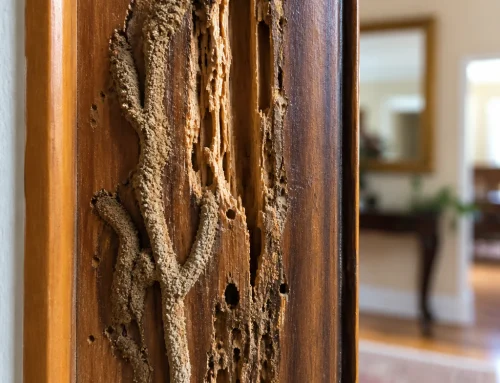

Every year, subterranean termites gnaw through nearly 600,000 U.S. homes, leaving an average of $3,000 in unseen damage before a single crack appears. In Georgia alone, homeowners spend more than $250 million annually combating these wood-munching invaders.
If you’ve noticed thin, mud-colored tubes lining your foundation or the unmistakable hollow sound of wood underfoot, you’re already in the crosshairs. The question isn’t simply “Can you afford termite treatment cost?” but “Can you afford not to?”
If you’re asking yourself, “Is termite treatment worth the price?” you’re not alone. Let’s break down the long-term savings and help you decide if investing in professional termite inspections and treatments makes fiscal (and practical) sense.
 The True Cost of Ignoring Termites
Every day that termites remain unchecked, they’re quietly gnawing away at the very bones of your home. What starts as a few inconspicuous mud tubes soon becomes a labyrinth of tunnels behind your walls, stealthily hollowing out floor joists and support beams long before you hear a single creak or spot a sagging floorboard.
Termites are silent destroyers. They work around the clock, day and night, eating away at your home’s structural integrity. Here’s what happens when you delay action:
- Structural Damage: Termites can compromise beams, flooring, and support joists.
- Cosmetic Issues: Peeling paint, sagging ceilings, and visible tunnels.
- Resale Penalties: A termite infestation can lower a home’s market value by 5–10%.
- Health Concerns: Mold growth in dampwood termite colonies can exacerbate allergies.
In just months, a minor infestation can evolve into extensive decay, forcing you to replace costly framing and subflooring, and those cosmetic signs, from bubbling paint to crumbling trim, are only the tip of the iceberg.
Putting off treatment might save you a few hundred dollars now, but repairs after a full-blown attack can run into the tens of thousands of dollars
Breaking Down Termite Treatment Costs — What You Need To Know
When you call a professional like Lavender Pest Control, a family-owned termite eradication service provider since 1977 in northeast Georgia, you’re signing up for more than just a one-time spray.
First comes the detailed inspection, during which a trained technician examines every potential entry point (from foundation vents and utility penetrations to crawl spaces and attic rafters) to determine not only whether subterranean or drywood termites are present, but also the extent and location of any active termite colonies. Lavender Pest Control offers this inspection at no charge, so you begin with a clear understanding of your home’s vulnerability without adding an unexpected inspection fee to your bill.
Once the trouble spots are identified, a customized treatment plan is crafted around the species and severity of the infestation. A liquid barrier treatment, often recommended for homes besieged by subterranean termites, involves trenching around the perimeter and injecting termiticide per linear foot to create an invisible shield beneath your foundation.
This method alone can cost anywhere from $3 – $16 per linear foot, depending on soil composition and accessibility. In situations where isolated mud tubes or activity zones are discovered, targeted spot treatment injects concentrated termiticide directly into those tunnels, eliminating workers and soldiers at the source for a fraction of the price of a full barrier, yet without the long-term monitoring that bait stations provide.
Baiting systems add another layer of defense by luring foraging termites into discreet stations placed around your yard. These bait stations not only deliver a slow-acting toxicant that spreads through the colony but also supply ongoing monitoring, alerting your technician to any resurgence in termite activity. Installation of bait stations typically ranges from $400 – $800, with modest monitoring fees thereafter.
Finally, most reputable pest control companies (including Lavender Pest Control) offer transferable warranties for two or more years, so any future signs of termite damage automatically trigger follow-up service at no extra cost.
When you compare these combined elements, the free inspection, the perimeter barrier or bait network, the spot treatments for active termite tunnels, and the peace of mind from a robust warranty, to the average repair bill of three to four thousand dollars after untreated infestations, the value becomes unmistakable.
 Types of Termite Treatments Explained
Termite treatments start by identifying the exact species you’re up against—whether it’s the soil-foraging subterranean termite that builds mud tubes, the wood-dwelling drywood termite tucked into attic timbers, or the moisture-loving dampwood termite hiding in damp beams. Once the culprit is confirmed, your technician will tailor one or more of these proven methods:
1. Liquid Barrier Treatment
A liquid barrier works like an invisible moat around your home. Technicians trench a narrow channel around the foundation, then inject a specialized termiticide into the soil. As subterranean termites forage, they encounter the treated zone and carry the chemical back into the colony, wiping out workers and soldiers before they ever breach your walls.
Protects every inch of your perimeter. Remains effective for years under proper warranty coverage. Costs are calculated per linear foot, so you pay only for your home’s actual foundation length.
2. Bait Station System
Bait stations offer both control and peace of mind. Discreet, tamper-resistant stations are placed around your yard, each containing wood-based bait infused with a slow-acting toxicant. Foraging termites feed on the bait and share it with nestmates, gradually collapsing the entire colony. The ongoing monitoring of stations alerts your technician to any fresh termite activity, ensuring termites never reestablish.
Key benefits include environmentally responsible targeting of termites only. Continuous surveillance that catches new incursions early. Scalability. You can add stations as needed, based on activity levels.
3. Spot Treatment
When termites are confined to a small, accessible area, like a mud tube along a deck beam or a gallery inside a porch post, spot treatment delivers concentrated termiticide straight into the infestation. Technicians drill minimal holes or inject through existing tubes, targeting active termites on contact.
Spot treatment is:
- Fast and cost-effective for localized issues.
- Ideal when you’ve caught the problem early.
- A supplemental step; it doesn’t replace broader barrier or baiting strategies.
4. Hybrid or Combination Plans
For the ultimate defense, many homeowners choose a hybrid plan that blends liquid barriers, bait stations, and spot treatments. This layered approach works by eliminating existing colonies, sealing your perimeter, and watching for new activity. Balances upfront investment with long-term savings by reducing the chance of escape points. Often qualifies for the most comprehensive transferable warranties, giving you and future buyers full protection.
Each treatment option carries its own advantages and price considerations, but when combined thoughtfully, they form a complete shield against every termite species that threatens your home. By selecting the right mix, you ensure immediate elimination of active infestations, ongoing prevention of new tunnels, and the lowest possible cost over the life of your warranty.
Key Questions to Ask Your Pest Control Company
When comparing pest control companies, make sure you ask:
- Do you offer a transferable warranty?
- What is included in the treatment method? (Barrier, bait, or both?)
- How often will you return for termite activity checks?
- Are follow-up visits free if termites reappear?
- What is the termite inspection cost if I skip a scheduled appointment?
A reputable provider will answer these confidently, laying out a clear path to protection.
What to Expect During a Professional Pest Control Inspection
During a professional pest control inspection, you’ll first be greeted by a licensed technician who carries specialized tools, everything from moisture meters to precision probes. They begin outside, methodically tracing the foundation lines and checking common entry points around your home.
As they examine the base of walls, utility penetrations, and areas where soil meets wood, they’re looking for unmistakable signs of termite presence like slender mud tubestiny discarded wings, or even minute pinholes in wooden trim. This exterior survey usually takes twenty to thirty minutes, depending on your home’s size and landscaping complexity.
Next, the technician moves indoors to inspect your crawl spaces, basements, and attic spaces. Throughout this process, the technician takes detailed notes and photographs to document any evidence of current or prior termite activity.
Once the physical inspection is complete, the technician reviews their findings with you, explaining how each observation relates to potential risks and the overall health of your property. You’ll receive a customized report that outlines whether subterranean or drywood termites are present, along with maps showing exactly where mud tubes or galleries were found.
Finally, the technician walks you through the proposed treatment plan, timing, and warranty details. You’ll learn how long the initial termiticide application takes, when follow-up visits will occur to monitor for any renewed termite activity, and what ongoing maintenance looks like.
By the end of the inspection, you should have a comprehensive understanding of both the immediate termite control measures and the long-term strategy that will protect your home, often turning a one-time expense into years of peace of mind.
Planning Your Budget for Termite Control
When budgeting, factor in:
- Home Size: Larger perimeters = higher barrier costs.
- Species: Drywood termite treatments may cost 10–20% more.
- Warranty Levels: Basic vs. transferable, single vs. multi-year.
- Geography: Northeast Georgia’s humid climate makes termite activity year-round.
Investing in professional termite treatments isn’t just about eliminating present threats. It’s about safeguarding your home’s future value, minimizing unexpected repair bills, and securing peace of mind.
With transparent pricing, industry-leading barriers, and transferable warranties, the Lavender Pest Control team transforms the abstract question “Is termite treatment worth the price?” into a resounding “Yes.”
Don’t wait for the next creak or hollow beam. Call Lavender Pest Control today at (706) 549-8759 for a free termite inspection. Let’s make sure your home stays solid, safe, and termite-free for years to come.