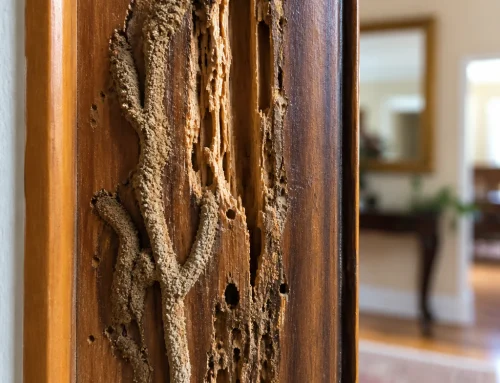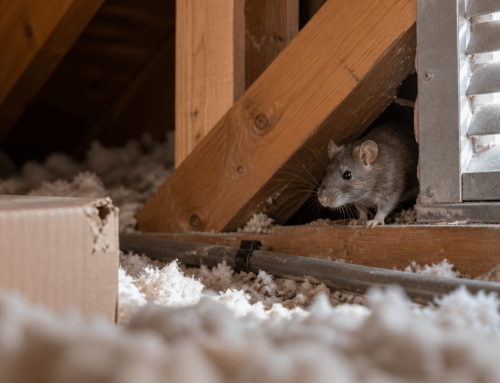

On a quiet morning, a homeowner pulled back the carpet in their living room and noticed strange, pencil-thin lines trailing across the concrete slab. At first glance, it looked like dried mud. In reality, those tiny tunnels (mud tubes) were evidence of a subterranean termite colony silently eating away at the foundation of their home. By the time an inspector arrived, the damage was estimated at over $15,000.
Unfortunately, stories like this are far too common. Termites cause more than $5 billion in property damage every year in the U.S, and most of it is not covered by homeowners’ insurance. The good news we have for you now is that you can effectively detect, prevent, and even eliminate termites before they wreak havoc on your home and property.
At Lavender Pest Control, we’ve seen firsthand how quickly a small termite problem can turn into a major disaster. This guide will walk you through everything you need to know about spotting signs of termites, stopping infestations before they start, and exploring the most effective termite treatment options available.
 Why Termites Are So Destructive
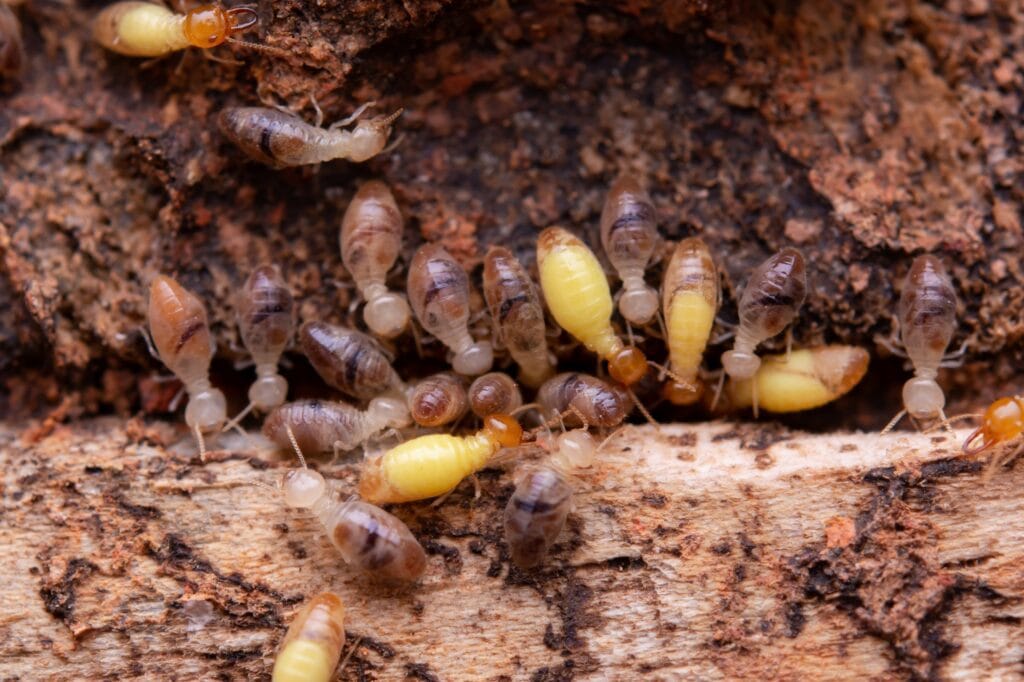
Unlike other pests, termites don’t just invade your space. They literally eat it. Wood termites feed on cellulose, which is found in wood, paper, and even drywall. Because they often work behind walls, under floors, or inside foundations, the damage may go unnoticed until it’s severe.
A single termite colony can include hundreds of thousands of insects. Over time, termites can cause:
- Weakening of wooden beams and supports
- Hollow or blistered wood surfaces
- Sticking doors and windows from shifting frames
- Sagging floors or ceilings
When most people think of pests, they picture ants in the kitchen or spiders in the garage. Annoying, yes, but rarely devastating. Termites, on the other hand, are in a league of their own. What makes them so dangerous is not just their appetite for wood but also the way they operate.
1. Silent Invaders
Unlike carpenter ants, which can be noisy inside walls, termites eat silently. They slowly tunnel through wood, drywall, and even insulation without leaving obvious traces. By the time you notice warped floors or buckling walls, a massive termite colony may already be established.
2. Sheer Numbers
A single subterranean termite colony can contain anywhere from 100,000 to several million termites. Each one works 24/7, chewing through wood fibers and expanding galleries. When you multiply that activity by thousands of insects, the speed of termite damage becomes alarming.
3. Hidden Feeding Habits
Termites need moisture and darkness, which is why they often attack the soil around your foundation or wood that’s hidden behind walls. Because the damage starts in concealed areas, homeowners may not see obvious warning signs until structural supports are compromised.
4. Wide Range of Targets
Most people think termites eat only wood, but they actually consume any material containing cellulose. That includes:
- Wooden beams, floors, and furniture
- Drywall and wallpaper
- Books, cardboard, and stored paper
- Insulation materials
In other words, termites don’t just threaten your walls. They can also destroy belongings around the home.
5. Costly Repairs
The damage to your home caused by termites is rarely covered by insurance because it’s considered preventable with regular pest management. This leaves many homeowners paying out of pocket for repairs that can easily run into the tens of thousands of dollars.
6. Continuous Activity
Unlike seasonal pests, termites may stay active year-round in warm climates. A colony doesn’t hibernate; it just keeps expanding and feeding. That means even a short delay in scheduling a termite inspection can result in major losses.
The Different Types of Termites
During the warm, dry climate, it may seem like it wouldn’t attract termites, but the truth is the state is a hotspot for several destructive termite species. Identifying the types of termites is critical for choosing the right termite control services.
For example:
- Bait systems work best for subterranean colonies.
- Soil treatment creates a barrier that stops underground species.
- Drywood treatments target infestations living inside the wood.
Without a professional termite inspection, homeowners may waste time on the wrong approach, giving colonies time to spread and increase termite populations.
Each type behaves differently, which is why proper identification is so important before choosing the right termite treatment options.
1. Subterranean Termites
These are the most common and destructive termites in the U.S. They mostly live underground in massive colonies and build mud tubes to travel from the soil around your house to wooden structures.
Subterranean termites are responsible for most of the damage to your home because they target foundations, support beams, and framing. Since their colonies can number in the millions, they require advanced termite control methods such as liquid treatment or bait stations. If you see pencil-sized tunnels near your foundation, that’s a classic sign of subterranean termite activity.
2. Drywood Termites
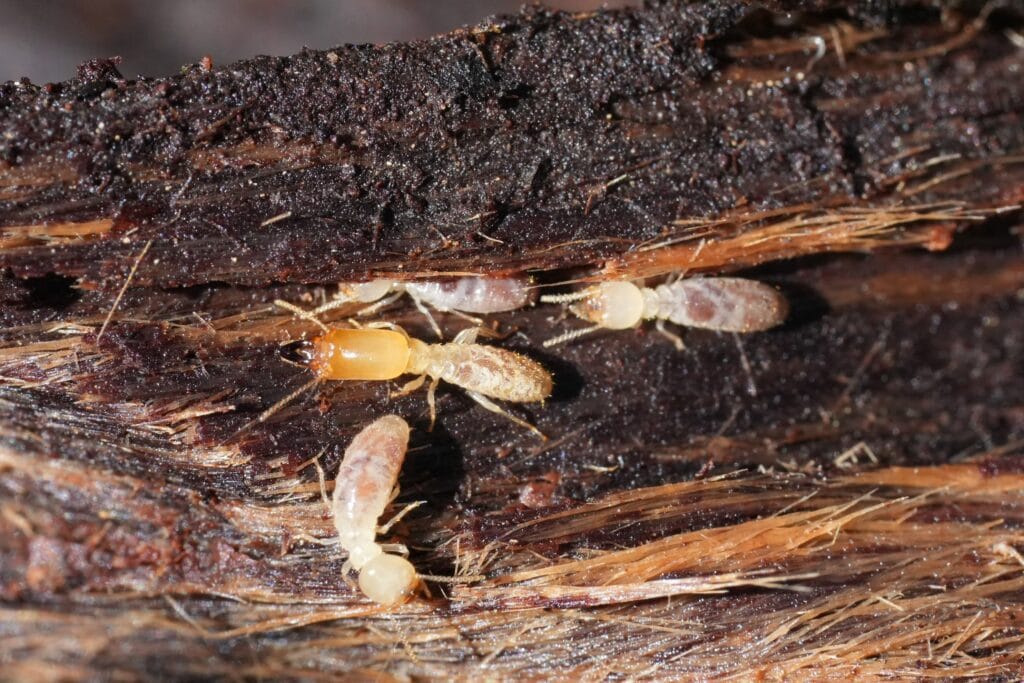
Unlike subterranean species, drywood termites don’t need soil contact. They live directly inside the wood they eat, making them especially hard to detect. You may first notice them by piles of frass (droppings), which look like tiny wood pellets, or by discarded wings near light fixtures.
Drywood infestations can occur in attic rafters, hardwood floors, furniture, and even decorative trim. Because they nest deep inside wooden structures, localized termiticide treatments or fumigation may be required to effectively treat a drywood termite infestation.
3. Dampwood Termites
These species are less common in the U.S, but still present in areas where moisture levels are higher. They prefer decaying or water-damaged wood. Usually found in leaky bathrooms, crawlspaces with poor ventilation, or anywhere water is allowed to pool near the perimeter of the house. Dampwood termite activity often signals a moisture problem as well as a pest problem.
While subterranean and drywood species cause the majority of issues, it’s worth noting that wood termites come in many variations worldwide. Homeowners may occasionally encounter hybrids or less common termite types, but the key point is that all termites can cause costly termite damage if left unchecked.
How to Identify Termites and Their Activities in Your Home
One of the biggest challenges with termites is that they’re experts at staying hidden. Unlike ants or roaches that you might spot in your kitchen, termites often work quietly inside walls, foundations, or crawlspaces. By the time you see obvious signs of an infestation, serious damage to your home may already be underway. That’s why it’s so important to know what to look for.
Early detection is the key to protecting your home from costly repairs. Here are common signs of an infestation:
- Mud tubes running along walls, foundations, or crawlspaces.
- Discarded wings from swarmers near windowsills or light fixtures.
- Hollow-sounding wood when tapped.
- Frass (termite droppings) resembles sawdust (common with drywood termites).
- Blistered or warped flooring from hidden galleries.
If you notice any of these warning signs, schedule a professional termite inspection immediately with us at Lavender Pest Control.
Since termites need moisture and often enter where wood comes in contact with the ground, check these high-risk areas regularly:
- Crawlspaces and basements
- Wooden decks or fences touching soil
- Attic rafters and rooflines
- Window frames, door frames, and baseboards
- Storage areas with cardboard or old wood
- The perimeter of the house where soil meets the foundation
Catching termite activity early can save thousands in repairs. Once a termite colony is established, they don’t stop feeding, they work 24/7. The sooner you can inspect and confirm the presence of termites, the sooner you can start an effective termite treatment like bait stations, liquid treatments, or other professional termite control services.
Professional Termite Control Options
Once a termite infestation has been confirmed, the next step is treatment. Because every home and every termite species is different, there isn’t a universal solution. This is where a professional pest control company like Lavender Pest Control makes all the difference. With the right tools and expertise, professionals can choose the most effective termite treatment options for your property.
1. Liquid Termiticide Treatments
One of the most widely used methods is a liquid treatment. Technicians apply a termiticide in the soil around the foundation, creating a treated zone that termites cannot cross without being exposed. This approach is especially effective against subterranean termites, which must travel between their underground nests and food sources. When done correctly, a liquid treatment can provide long-lasting termite protection.
2. Termite Bait Stations
Another popular option is the use of termite bait stations. Installed discreetly around the home, these stations attract termites with a food source laced with a slow-acting ingredient. Foraging termites carry the bait back to the colony, eventually wiping out the entire termite population. Modern bait systems also serve as ongoing monitoring tools, helping professionals detect new termite activity before serious damage to your home occurs.
3. Drywood Termite Solutions
Because drywood termites live inside the wood they infest, they require a different approach. In some cases, a technician may inject termiticide directly into the galleries. In more severe infestations, fumigation may be necessary to ensure every hidden pocket of termites is eliminated. Spot treatments and protective applications on exposed wood can also help keep a drywood termite problem from spreading.
4. Integrated and Advanced Systems
Many homeowners benefit from combining different methods. For example, pairing a liquid treatment around the foundation with bait stations nearby provides a double layer of defense. Some advanced termite control services also include routine inspections, soil monitoring, and wood treatments, ensuring that both prevention and elimination are addressed.
5. Protection for New Construction
If you’re building a new house, termite protection can start before the first wall goes up. Professionals often apply soil treatments before the foundation is poured or use protective products on lumber. These preventive steps can significantly reduce the likelihood of termites establishing a foothold.
While some DIY termite control products are available, they rarely match the effectiveness of professional treatments. Store-bought sprays may kill visible termites but often miss hidden termite colonies or deep galleries. Professionals not only have access to stronger termiticides and bait systems, but they also know how to identify signs of termites, locate entry points, and apply treatments safely.
For most homeowners, hiring a professional termite exterminator provides peace of mind and ensures the infestation is handled thoroughly.
 Using DIY Termite Control — Is It Worth the Risk?
Some homeowners attempt DIY termite control using store-bought sprays or powders. While it may seem like a cost-saving measure, there are real risks:
- Products may not reach hidden termite colonies.
- Misuse of insecticide can be hazardous to people and pets.
- Without professional knowledge, you may not fully identify termites or the extent of the damage.
- DIY termite solutions rarely provide long-lasting results.
For peace of mind, it’s safer to rely on a professional termite exterminator with the training and tools to effectively treat infestations.
At Lavender Pest Control, we understand the stress homeowners feel when faced with a termite infestation. That’s why we offer thorough termite inspections to detect problems early. Tailored termite treatment options include liquid treatment, bait stations, and advanced termite systems.
Licensed and experienced professional pest control technicians. Honest pricing and recommendations based on your home’s needs. Our goal is to help protect your home from the damage termites can cause while giving you confidence that your investment is safe.
When to Call a Professional
Don’t wait until damage is found. You should contact a pest control company if:
- You’ve noticed signs of termites, such as mud tubes, hollow wood, or discarded wings.
- You’re building a new house and want post-construction termite protection.
- You want to keep your home safe with routine monitoring.
- You’ve tried DIY methods without professional results.
Termites eat silently and steadily, often going unnoticed until it’s too late. But with regular inspections, smart prevention strategies, and the right termite control services, you can protect your home from costly termite damage.
If you suspect termite activity or simply want the peace of mind that comes with professional monitoring, don’t wait. Contact Lavender Pest Control today for expert guidance, proven solutions, and the confidence of knowing your home is safe.