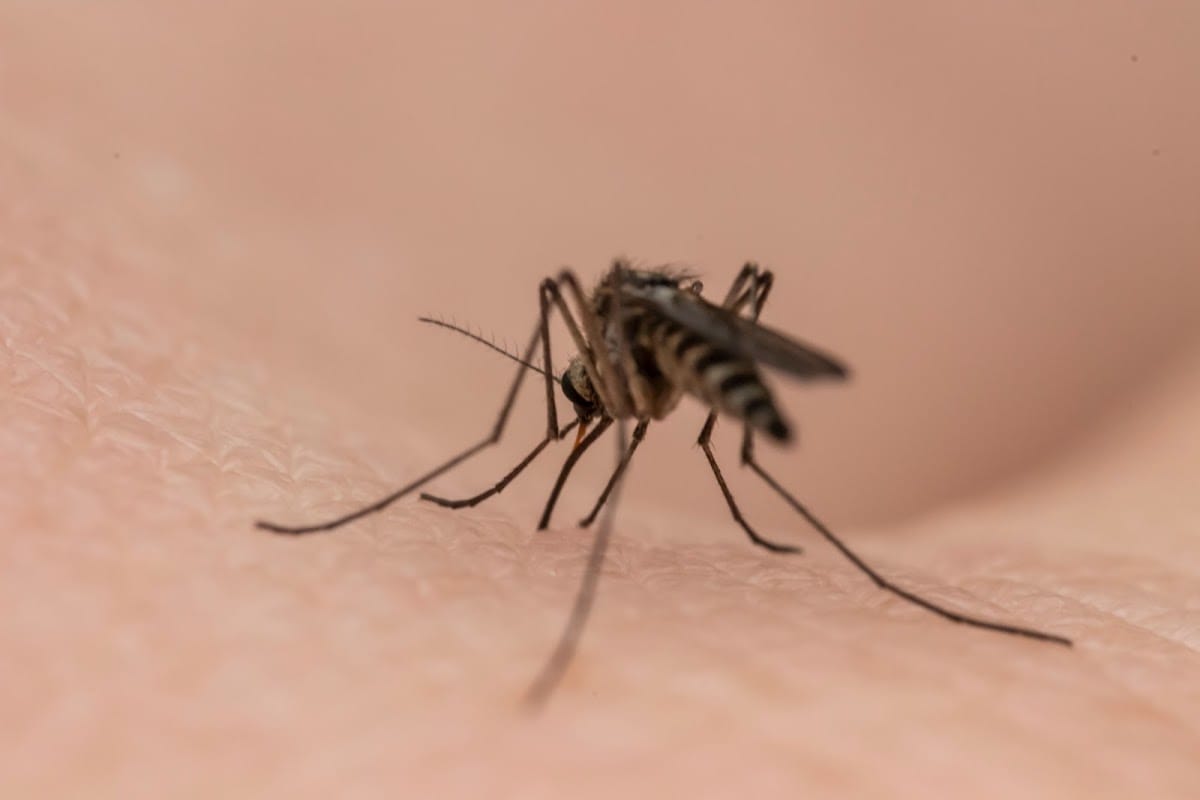
Mosquitoes aren’t just a backyard nuisance; they’re one of the deadliest animals on the planet, transmitting diseases like malaria, dengue, Zika, and West Nile virus to hundreds of millions each year. Despite billions of dollars spent on repellents, sprays, traps, and backyard foggers, many of us still find ourselves swatting away at dusk, waking up with itchy bites, or worrying that our “sure-fire” control methods aren’t doing enough.
Worse yet, some of the most popular strategies (from citronella candles to oversized backyard “mosquito magnets”) offer little real protection and can even instill a false sense of security.
Mosquitoes cost Americans an estimated $1 billion each year in medical expenses and lost productivity, and no backyard gathering is safe from their relentless assault. But here’s the good news: you don’t have to accept endless itchy welts as the price of outdoor fun. In this guide, you will see how to reclaim your yard.
 Are Mosquitoes Common In The US?
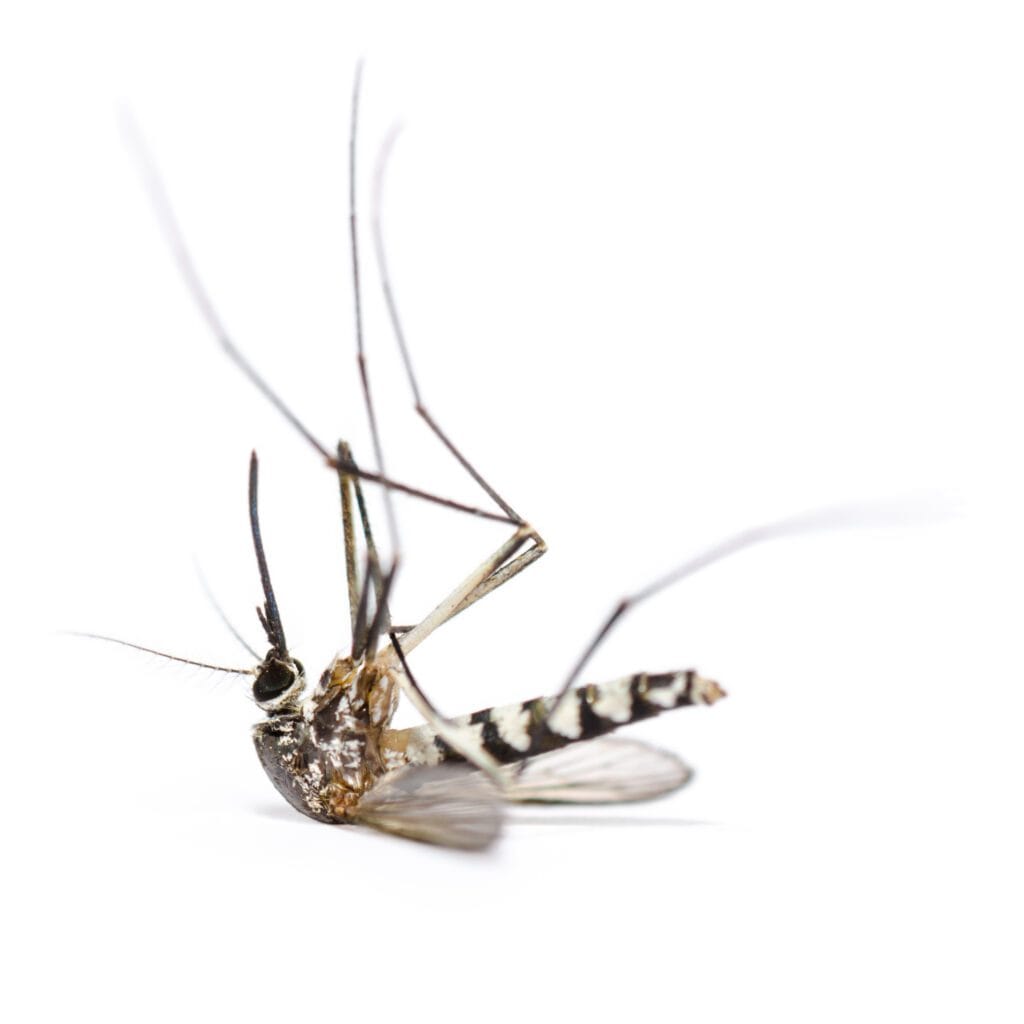
Yes! Mosquitoes are very common throughout the United States. Over 200 different species of mosquitoes are known to live in the continental U.S. and its territories, and roughly a dozen of those can transmit diseases to people.
Although the exact species mix varies by region, nearly every county reports some level of mosquito activity each summer. For example, the invasive Aedes aegypti and Aedes albopictus vectors for dengue, Zika, and chikungunya have established breeding populations across much of the lower forty-eight states, with predictive range maps showing suitable climates in three-quarters of U.S. counties.
Mosquito season typically runs from late spring through early fall, peaking in warm, humid months when standing water is most abundant. In southern states (e.g., Florida, Texas), some species remain active year-round; farther north, activity generally tapers off after the first hard frost. Because you can’t tell by sight which mosquitoes carry pathogens, public health authorities recommend treating all bites as potentially risky and taking protective measures whenever you’re outdoors where mosquitoes live.
Myth #1 — Mosquito “Repellent” Candles and Torches Keep Bugs Away
The myth — Lighting citronella, eucalyptus, or other scented candles around your patio creates an invisible barrier that repels mosquitoes.
The reality — Independent tests show that citronella candles reduce mosquito landings by only about 20–25% barely more than no candle at all. Worse still, the scent often dissipates too quickly in open air to offer meaningful protection.
What works instead
- Target the source. Mosquitoes breed in stagnant water. Eliminate or regularly refresh any items that collect water, such as flower pot saucers, pet bowls, birdbaths, and gutters.
- Use proven repellents. Look for products containing DEET, picaridin, or oil of lemon eucalyptus. Applied to skin or clothing, these repellents can block up to 98% of bites when used correctly.
- Install fans. A simple box or pedestal fan can disrupt mosquito flight patterns, cutting down landings by up to 80%.
Citronella and other scented candles rely on volatile oils that evaporate quickly in open air. Even on a still evening, the perfume plume rarely extends more than a couple of feet from the flame. In a gentle breeze (or when guests wander beyond the candle’s glow), the protective “barrier” disappears, leaving you exposed. Torches and lanterns suffer the same fate: once the scent disperses, there’s no residual action to deter hungry females.
When you need bite-proof confidence, reach for an EPA-registered repellent containing:
- DEET (20–30% concentration for several hours of protection)
- Picaridin (20% concentration, odorless and non-greasy)
- Oil of Lemon Eucalyptus (effective for up to 4 hours; not recommended for children under three)
Mosquitoes are weak flyers. A standard 16″ box fan set on low-to-medium speed can reduce landings by up to 80% in its airflow zone. Position fans so they blow across seating areas or dining tables. This not only cools guests but also keeps mosquitoes at bay without chemicals. For larger patios, multiple fans create overlapping wind tunnels that make casual mosquito visits all but impossible.
Myth #2 — Planting Certain Flowers or Herbs Fully Protects Your Yard
The myth — Surrounding your deck with lavender, marigolds, or basil magically keeps mosquitoes at bay
The reality — While these plants may have mild repellent properties when crushed and rubbed on your skin, they don’t emit enough concentrated oils to safeguard an entire yard. Mosquitoes simply fly above or around them.
What works instead
Professional perimeter sprays create a protective zone around your property. At Lavender Pest Control, we employ only the safest and most environmentally responsible methods to target mosquito harborage areas, ensuring minimal harm to pollinators and pets. Learn more about our exceptional services.
Introducing mosquito-eating fish (like Gambusia) in ornamental ponds or using microbial larvicides (Bti) in gutters and pools interrupts the breeding cycle at the larval stage. Trim tall grass and shrubs where mosquitoes hide during the day, and consider allowing sun‐loving ground covers that dry quickly to replace dense foliage.
Add clinic visits when bites carry illness, and a summer of trial-and-error can eclipse the price of a professional pest control program that works the first time.
Myth #3 — Bug Zappers Are an Effective Mosquito Solution
Most people believe that if you hang a bug zapper, every mosquito that buzzes near will be electrocuted, problem solved. The reality is that most bug zappers attract and kill moths, beetles, and other beneficial insects, while mosquitoes, which are drawn more by carbon dioxide and body heat than by UV light, largely ignore them. Studies show that less than 1% of the insects killed by zappers are mosquitoes.
What works instead
- CO₂ traps. By mimicking human breath, these traps lure mosquitoes into a net or sticky surface where they dehydrate and die. They can reduce local mosquito populations by up to 90% when properly maintained and used.
- Ovitraps. Simple containers with water and a sticky lining capture egg-laying females, preventing new generations from emerging. Rotate and clean traps every week.
- Integrated approach. Combine habitat elimination, targeted traps, and professional treatments for a multi-pronged defense.
At Lavender Pest Control, our trained technicians apply low-impact larvicides and adulticides in strategic areas (such as shrubs, eaves, and other mosquito resting zones), providing lasting protection without harming pollinators or pets.
Schedule follow-up visits every 4–6 weeks during peak season. Consistent monitoring and treatment keep mosquito numbers (and your itch factor) at bay all summer long.
Myth #4 — Electric Swatters and Mosquito Rackets Are the Answer
Some believe that waving an electric racket in the air can fry every mosquito that flies by. While these devices can kill individual mosquitoes on contact, they’re impractical when you’re battling dozens (or hundreds) of insects. Plus, you still have to be within arm’s reach, leaving large portions of your yard unprotected.
Professional applications of residual sprays occur during peak mosquito activity (dusk and dawn), ensuring maximum impact. Lavender Pest Control’s licensed technicians are state-tested and registered with the Georgia Department of Agriculture, so you can trust that your family and pets are safe during and after treatment. Request a quote.
For high-traffic outdoor areas, these systems deliver micro-bursts of insecticide at scheduled intervals. Maintenance is key, ensure the cartridge is refilled and the lines are clear.
Myth #5 — Natural Oils and DIY Spray Recipes Are Just as Good as Commercial Products
A homemade spray of essential oils (e.g., peppermint, tea tree, or neem) mixed with water does not repel mosquitoes as effectively as store-bought repellent. Essential oil concentrations in DIY solutions are often too low to be effective, evaporate quickly, and offer only 30–60 minutes of protection, compared to several hours with EPA-registered repellents.
What works instead
- EPA-registered products. Look for repellent labels approved by the Environmental Protection Agency; these undergo rigorous safety and efficacy testing.
- Combination strategies. Apply repellent to your skin, use treated clothing or gear (such as permethrin-impregnated fabrics), and complement with professional perimeter treatments for around-the-clock defense.
Integrated Pest Management (IPM) combines inspection, targeted treatment, and scheduled follow-ups into a single plan. Lavender Pest Control begins each program with a thirty-minute walk-through, tracing kids’ footpaths, chicken runs, and shaded corners where adults hide.
Low-odor botanical sprays form narrow foliage bands that spare pollinators and medicinal herbs cherished by healers. Larvicide briquettes go only where water cannot drain, while overgrown shrubs are trimmed to deny mosquitoes cool resting spots.
 Landscape Factors That Aid Mosquito Control
Backyards don’t become mosquito havens by accident; specific landscape features either invite or discourage the swarm. Understanding these environmental triggers enables you to fine-tune mosquito control tactics to your particular property rather than relying on one-size-fits-all gadgets.
1. Shade density
Adult mosquitoes rest on the underside of broad leaves to avoid midday heat. Prune hedges and low branches so sunlight filters through, raising temperatures just enough to push insects elsewhere.
2. Moisture pockets
Over-watered lawns, dripping hose bibs, and AC drain lines create micro-habitats where females lay eggs. Redirect runoff with gravel channels or splash blocks and let turf dry between irrigations.
3. Wind corridors
A continuous breeze scrambles the delicate flight of mosquitoes. Arrange seating areas where natural wind funnels (such as between the house and fence or beside open fields) and supplement calm evenings with box fans.
4. Ground clutter
This includes leaf litter, tarps, and unused toys, which trap dew and provide shade, making them perfect resting spots. A weekly five-minute pickup routine denies mosquitoes these hideouts and makes larval inspections quicker.
5. Plant selection
Dense ornamental grasses and non-native vines retain humidity, while native perennials and well-spaced shrubs promote airflow. Ask local extension agents which species pair with better mosquito control.
Weather data guides the service calendar; our monthly Pest control service fine-tunes tactics to rainfall and temperature, keeping pressure steady without blanket fogging and using far fewer chemicals overall.
Why Choose Lavender Pest Control?
Founded in 1977 and family-owned to this day, Lavender Pest Control has protected homes and businesses in northeast Georgia for nearly half a century. Our technicians are hand-picked, well-trained, and use environmentally responsible methods that target only pests, keeping your loved ones and the planet safe.
Clients receive a direct cell number, not a hold-music hotline. Founder Larry Lavender established the covenant of transparency, which remains an ancestral teaching: to serve the people, serve the land, and never promise more than science can deliver.
Schedule a free assessment with Lavender Pest Control today.