When you spot a damaged window frame, you’ll now have two questions to answer: What caused the damage? How should it be fixed? And you probably shouldn’t paint the frame before you answer the first question. Replacing damaged trim won’t stop termites that are still feeding behind it. If an active infestation goes untreated, the damage can continue. Instead of just doing a small cosmetic repair, you could end up paying for termite treatment and structural repairs.
Just because there are marks on your home doesn’t mean they’re caused by termites, and there’s no reason to feel pressured to accept any treatment offer immediately. But it does make sense to identify the source of those marks before you spend money on a potentially incorrect repair. Homeowners in Athens and northeast Georgia can get a free termite inspection and estimate from Lavender Pest Control. Our family-owned pest control company helps you determine what needs attention. Here’s how to take advantage of the inspection before accepting any treatment or repair offer.
What waiting can add to a pest problem
Damage from an active infestation can go deeper than the patch you can see. That single visible section can’t tell you how much additional wood may be compromised, whether the termites are still alive, or what level of repair will be required. Even old damage can persist once an infestation is eradicated. Consider these potential costs separately:
- Termite control: Inspecting the property for evidence of termites, plus securing appropriate treatment and monitoring.
- Repair work: Determining whether damaged wood needs to be repaired or replaced. Eliminating termites doesn’t restore the wood that was consumed.
- Labor to access and repair: Securing the work to get to and fix damaged sections, rather than simply covering up the spot you can see.
Not all homeowners will encounter these costs. However, you should address them before comparing the price of a treatment versus the price of a repair. Review what is included in both services; don’t assume that one service covers the other.
A property-specific quote requires an assessment. There’s also no standard timeframe for when a soft baseboard becomes a weakened floor joist. What matters is getting the problem checked instead of leaving a known infestation unaddressed. If you’re listing your home soon, inquire about termite inspection and reporting requirements beforehand. This allows time to read the results and make any needed arrangements, rather than making those decisions during the closing process.
Termite control starts with identifying the pest
Usually when people talk about termites in northeast Georgia, they’re talking about subterranean termites. Our termite information covers eastern subterranean, Formosan and drywood termites. Eastern subterranean termites are by far the most common termites in Georgia. Formosan termites are a second species of subterranean termites. Drywood termites are relatively uncommon in Georgia, and tend to be found closer to the coast.
The pest management strategy must be specific to the insect. Subterranean termites require moisture, and usually travel between the soil and the wood in enclosed tunnels. Drywood termites nest inside wood, and don’t require a connection to the soil.
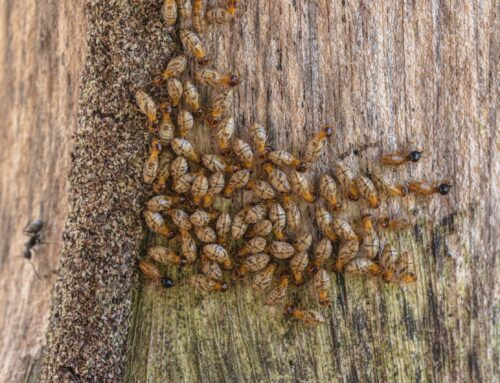
It’s not necessary to identify the species before contacting an exterminator. Just tell them what you’ve seen, and where. It will be much more helpful to send them a picture of the insects or debris than it will be to confidently diagnose it yourself using an image search. Identifying the pest and evidence of activity helps you avoid paying for the wrong response.
Signs to show your pest control technician
Note things that you can see without going anywhere dangerous or pulling anything apart.
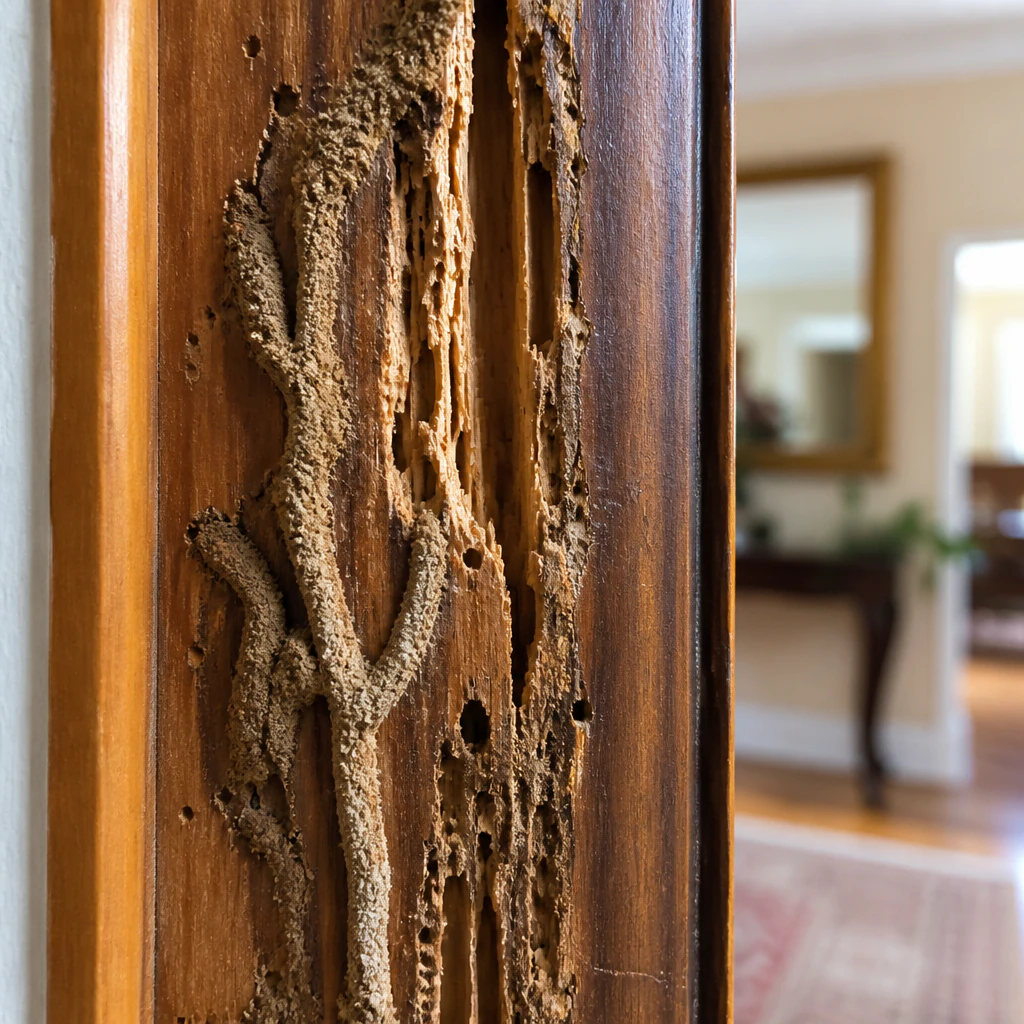
Mud tubes: Narrow lines of dirt running down the foundation or on any surface can be termite shelter tubes. Even a dry tube does not mean there aren’t termites elsewhere.
Damaged or hollow-sounding wood: Look at soft window sashes, broken trim or anything that sounds hollow, but these things don’t tell you what kind of insect is involved or how much damage there is.
Swarmers or shed wings: Photograph the insects or wings so a technician can help identify them. Sometimes flying ants are mistaken for termites. Let us know where they were seen, if they gathered near a window, or if they were seen outdoors.
Sagging, softness, or flaking paint: Other things, like moisture intrusion, could cause these issues. Be sure to share them with us when scheduling.
Keep people away from any area where the floor or ceiling appears unsafe until a qualified building professional has assessed its condition.
Small pellets can be important (especially with drywood termites). Don’t worry about identifying what created the debris. Just take a photo.
Even places where you aren’t seeing any bugs anymore might need attention.
Seeing termites or other insects around the property doesn’t automatically mean your house is infested. We can help you assess the information to make the right call.
Make the most of your free inspection
Make sure you have any prior termite service reports or warranties on hand. Keep track of when and how you initially noticed the issue and if it’s changed since then. Report any recent water leaks or repairs in the area. This can give the inspector an area to focus on.
Ask which parts of your home will need to be accessible and if you’ll need to move any belongings. Don’t enter a difficult crawlspace yourself to prepare for the inspection.
The objective is to find evidence of activity and conditions that allow the termites to reach or remain near the structure. The scope of the inspection depends on the structure and accessibility. The majority of interior wood is hidden behind wall coverings and finishes; therefore, the inspection is not a guarantee that all interior structural elements were seen.
Before they leave, ask the inspector:
- What did you see, and where?
- Is it a sign of current activity, past damage, or something else?
- Was anything inaccessible?
- What’s the next step, and what can I do myself?
Get a free inspection and estimate from us for our termite control services. Find out what’s covered by the estimate. If you don’t understand something, ask questions.
Compare the termite treatment and pest control plan
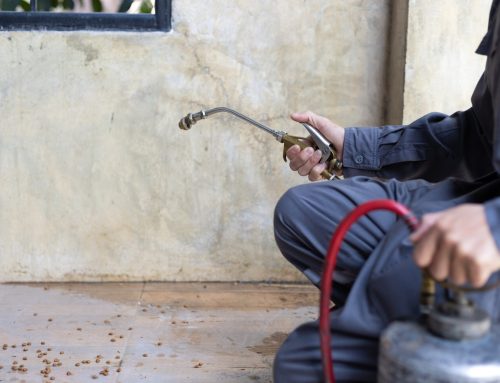
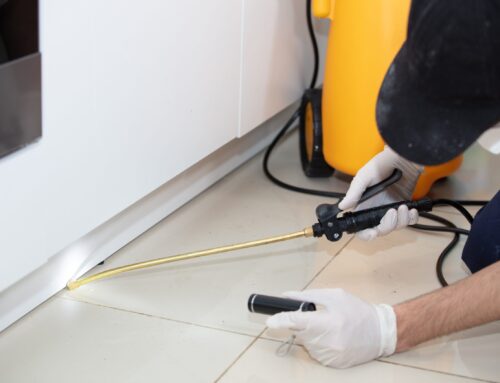
We offer liquid and bait treatments. The right recommendation depends on your property; an online description of a product can’t describe what type of work your home needs. Liquid products are put in the ground or in other appropriate locations (according to the label) to protect the building from termites. Bait systems contain material the termites eat. The stations need monitoring and servicing. Ask your technician how these products would work at your home: where would they need access, where would the stations or treated zones be, what would happen next?
Compare quotes from pest control companies in your area by looking at them side-by-side. Review initial fees, ongoing fees, how often inspections take place, and what you may be responsible for separately. The cheapest upfront price may come with a different service. Also ask why the recommended treatment is correct for your property, not just when you can get it scheduled.
Pest control contracts are not all created equal. A standard household pest control contract is not necessarily the same as a termite contract, even if both come from the same exterminator. Make sure the contract includes the pest problem you have.
Tell the technician about any children or pets, and other potential concerns, prior to application. Follow the instructions on the product. See our FAQ for details on how we place the product, and how return visits are handled. Ask your technician how this applies to your service call.
Check the warranty and the Termite Letter separately
A warranty and termite inspection report serve different purposes. Keep both on file with your other home documents but do not assume one negates the need for the other.
We provide Transferable Termite Warranties. Before choosing one, know what coverage it provides, how it’s renewed, and what the subsequent owner needs to do to maintain it. Find out whether it covers re-treatment, damage repair, or both. Do not rely on the word "warranty" to determine that. Review the specifics.
Our routinely scheduled services are guaranteed, and we’ll return between scheduled visits, if needed, at no additional cost. That general service guarantee doesn’t establish the coverage of a termite warranty. Check the termite agreement for its specific terms; don’t assume repair costs are covered.
We can issue a Georgia Wood Infestation Report, known as a Termite Letter, when required for a home sale. Ask for it specifically when scheduling. Don’t assume the free inspection provided if you suspect a termite problem will include transaction paperwork or meet the needs of everyone involved in the sale.
Preventative pest control between visits
Begin with easy maintenance you can perform. Clear gutters that are blocked and note where downspouts lead. Water should not be channeled toward the house. Keep woodpiles away from the structure, rake back leaves, and prune bushes or branches that touch it. These are things to add to your regular home maintenance routine.
Our pest prevention tips include caulking around windows and doors. These habits support termite prevention and routine residential pest control. They don’t resolve an established infestation.
After your professional inspection, store the notes and the recommended recheck date in an accessible place. If new evidence appears, call the company instead of waiting until the next scheduled visit. Inform them of any construction or landscaping that could impact your treatment plan.
Get help from local pest control experts
The most helpful thing to do initially is find out what’s going on. Once you’ve done that, you can decide how to handle termite treatment, home repairs, and long-term protection. You don’t need to speculate on all three from a damaged window frame.
Lavender Pest Control has provided local termite and pest control in northeast Georgia since 1977. Our managers and technicians are trained, tested, and registered with the Georgia Department of Agriculture; read more about our staff.
Call 706-549-8759 or contact Lavender Pest Control for a free termite inspection and estimate. Share what you’re seeing, your address, and if you’re aiming to close on a sale or complete a repair by a certain date. We’ll guide you through the next phase with a better understanding of the situation.