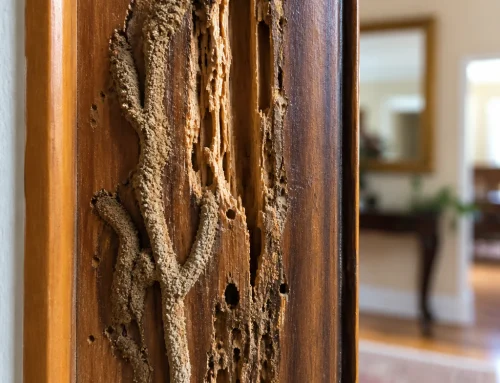

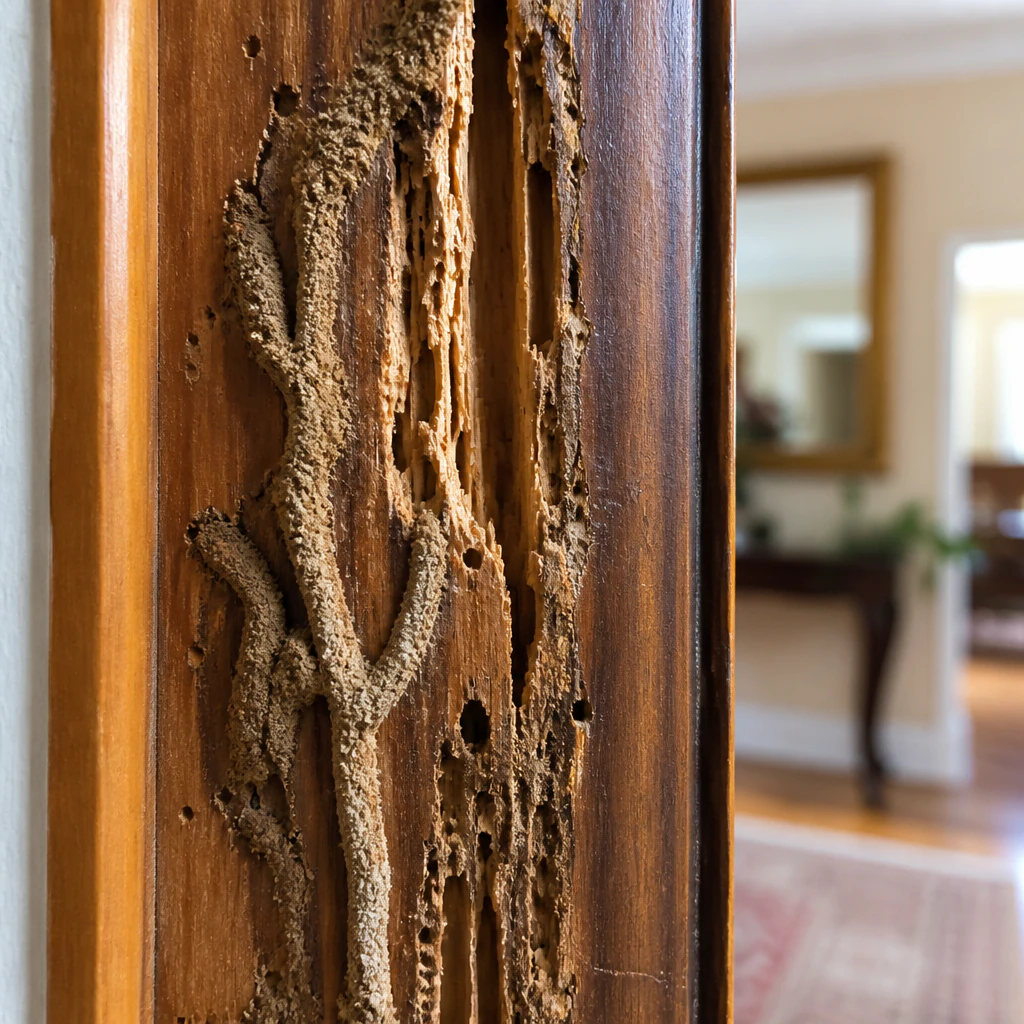
Termites are quiet. That’s part of what makes them so destructive. By the time most homeowners notice the signs of infestation, the damage has already been going on for months, sometimes years. Mud tubes along your foundation, soft spots in wood floors, hollow-sounding walls: these aren’t warnings that something might happen. They’re evidence that it already has.
Choosing the right pest control service to deal with a termite problem isn’t just about price. It’s about finding a company that knows what they’re doing, uses treatments that actually work, and backs their service with a real guarantee. In northeast Georgia, Lavender Pest Control has been doing exactly that since 1977, with roots in the pest control industry going back to 1968.
This guide walks through what to look for, what to avoid, and how to get real value without getting gouged.
 Why a Termite Infestation Gets Expensive Fast
Here’s what catches most homeowners off guard: termites are rarely spotted early. By the time you notice them, your home has usually already taken significant damage. That’s because they eat cellulose, and your home is essentially made of cellulose. Floor joists, studs, framing, subflooring — termites have access to every bit of it. If you have a mature colony of termites, you’re likely dealing with anywhere from hundreds of thousands to millions of these creatures, and they feed 24 hours a day, seven days a week. The U.S. Department of Agriculture Forest Service estimates that termites cause about $5 billion in damage across the country every year. And most homeowners insurance policies won’t cover termite damage—a detail worth sitting with, because it means the full cost typically lands on you.
When you’re talking about termite damage, you’re not just talking about the termite company invoice you receive. You’re talking about new subflooring, replaced studs, replaced floor joists, and whatever other structural repairs come with it.
If you’re just talking termite inspection and treatment, it’s probably a matter of a few hundred dollars. Let them go for a season or two, and you could be facing tens of thousands in repairs you never saw coming. The inspection and treatment are almost always the cheapest part of the whole ordeal.
And most of that expense traces back to a single delay: putting off an inspection and treatment early on.
What Separates Good Pest Control Companies From Bad Ones
There is a real difference between companies that will handle the job well and companies that won’t. When you’re researching pest control options in your area, here’s what you should be looking for, whether it’s termites or any other pest issue.
Local Knowledge
Pest pressure varies from region to region. In Georgia, subterranean termites are the most common species, while in parts of southern Florida you’re more likely to encounter drywood termites.
A local company that has worked pest pressure in your specific area for decades understands what shows up where and when. Lavender Pest Control has been operating in northeast Georgia since 1977, with roots in the industry going back to 1968. That kind of tenure is worth asking about when you’re comparing companies.
Responsible Treatment Practices
If a company wants to coat every surface of your home in harsh chemicals, don’t hire them—that’s not responsible pest control. The right approach uses precise, targeted treatments applied where pests hide and nest, plus the perimeter of the building, keeping the impact on your household and the environment as low as possible.
A Real Warranty
Every good termite control company warrants their work. Lavender offers termite warranties that are transferable from one owner to the next. That’s what a good warranty looks like: if a re-infestation happens between scheduled visits, the company re-treats at no additional cost.
Clear Communication
A great technician will tell you everything about the work they’re going to perform. They’ll explain what’s wrong, what they’ll do to fix it, and the results you’ll see once the work’s done. If a company won’t (or can’t) explain its work, pay attention.
Signs of Infestation Most Homeowners Miss
Termite infestations are less costly the sooner they’re found, yet the early indicators are often mistaken for something completely different. Look out for these signs of infestation:
- Mud tubes running from your foundation or crawl space, or along concrete around the outside of your home — these are highways for subterranean termites
• A hollow sound when you knock on wood
• A fine, sawdust-like substance near baseboards or windowsills (it’s actually termite fecal matter)
• Paint that bubbles or peels without any other explanation
• Windows and doors that won’t open, even when weather changes wouldn’t seem to be the cause
Any one of these items warrants a phone call. A professional inspection is free, and it gives you a clear picture before you have to make any decisions. Putting it off gives termites more time to work.
 How Termite Treatment Plans Actually Work
Once the technician confirms an active infestation, treatment is based on what’s there: type of termite, damage involved, and your home’s construction. Subterranean termites, for example, usually require a liquid termiticide applied to the soil around the structure and maintained over time, creating a continuous chemical barrier. In some cases, bait stations are placed in the ground along the home’s perimeter and evaluated regularly.
Every house is different, so no single treatment method applies in every case. In fact, a company that claims to know the right method without doing an inspection is doing just that: selling you a method, not assessing your house’s actual needs. Lavender inspects every time, and treats accordingly. That custom, information-based treatment plan is worth more than a one-size-fits-all program, which may or may not work in your house.
Ongoing Termite Control vs. One-Time Pest Services
Termite treatment isn’t a one-time event, though homeowners usually figure that out after the fact. Termite colonies can survive partial treatment; they can reestablish themselves; chemical barriers may weaken; new colonies can migrate in from neighbors or from lumber used for a home addition. It’s important to treat, monitor, and service regularly rather than just once—and if you ever sell, that transferable warranty follows the property and reads favorably on an inspection report.
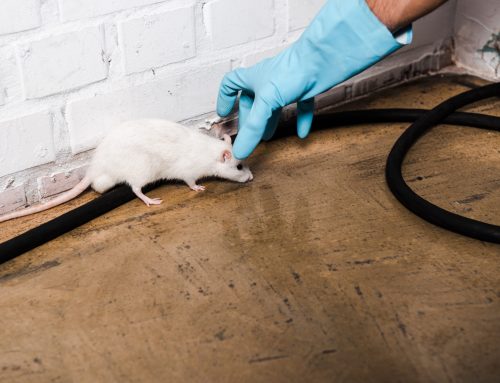
The same company handling your termite service should also handle general pest control (roaches, rodents, mosquitoes, carpenter ants), which keeps monitoring and treatment coordinated across the whole house rather than split between vendors.
Start With a Free Inspection and Get A Quote
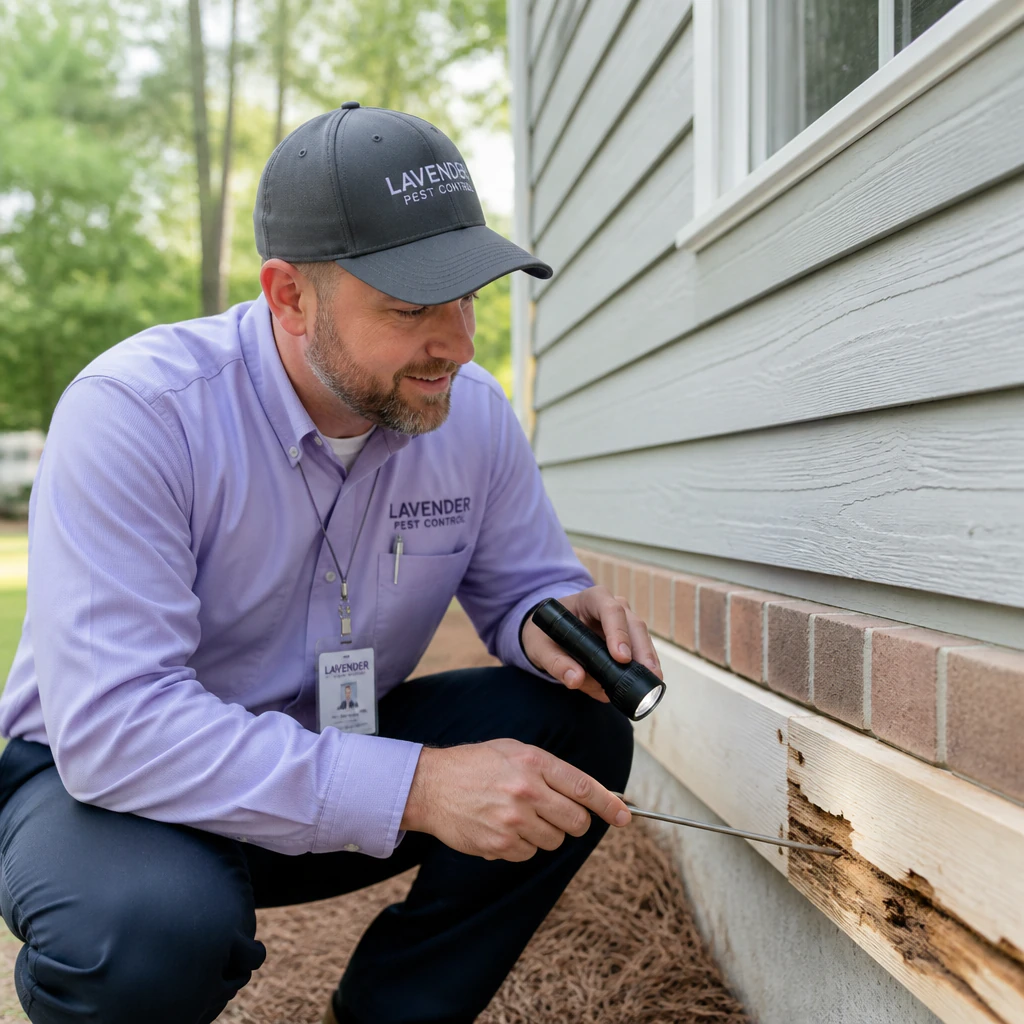
So, if you’re seeing any of the red flag warning signs mentioned earlier, or if you’re looking to buy or sell your home and want to know just what you’re up against, the very first thing you need is a complete inspection done by a professional. The inspection has to be done in the home by someone who knows what termite activity looks like at every stage: from the earliest mud tubes that are just forming to the most advanced stage of damage, where years of destruction have already been done.
Lavender Pest Control provides a free quote to start this process. Lavender’s courteous technicians show up on time to do your inspection and explain exactly what they’re looking at in your home before asking you to make a decision. For Athens, GA homeowners, that honest communication and decades of local experience are what set Lavender apart from companies that skip the inspection, guess at a treatment plan, and sometimes charge more for it. If you’d like to learn more about our free termite inspection, give Lavender Pest Control a call at (706) 549-8759 or schedule a free inspection today online!