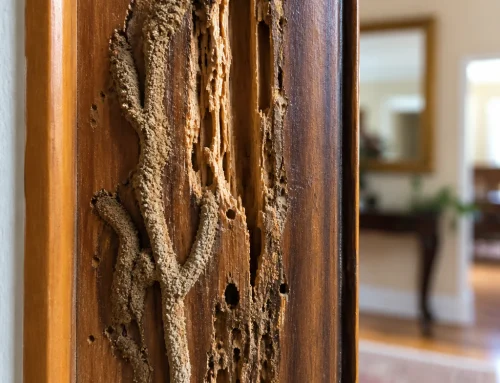
Termite damage often progresses faster than most homeowners realize, and it does so quietly. Unlike ants or roaches, termites work out of sight, feeding continuously inside walls, floors, and structural wood. By the time visible signs appear, the damage is often extensive.
According to the National Pest Management Association, termites cause more than $5 billion in property damage each year in the United States. Most homeowner insurance policies do not cover termite damage, making early detection and proper treatment essential.
While general pest control plays a vital role in managing common household pests such as ants, roaches, spiders, and mosquitoes, it is not designed to detect or eliminate termites. Termites require specialized treatment methods, equipment, and ongoing monitoring that go far beyond standard pest control programs.
In this guide, we explain why termites require a different approach, how their behavior differs from that of other pests, and what homeowners can do to protect their property through effective termite control.
 Why Termites Are Different From Other Household Pests
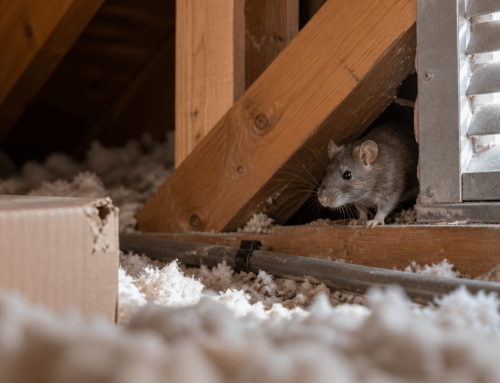
Most people associate pests with insects they can see, such as ants, cockroaches, mosquitoes, spiders, or bed bugs. These pests can be disruptive and unsanitary, but they rarely cause structural damage to a home.
Termites are fundamentally different.
They are:
- Silent
- Hidden
- Destructive
- Persistent
Unlike rodents or insects that search for food waste, termites feed on cellulose. This means your home itself becomes their food source. Wood framing, flooring, and structural supports provide ideal conditions for termite colonies to grow undetected.
Because of this behavior, general pest control treatments are not effective against termites, especially subterranean termites, which are the most destructive species in the United States.
The Difference Between General Pest Control And Termite Control
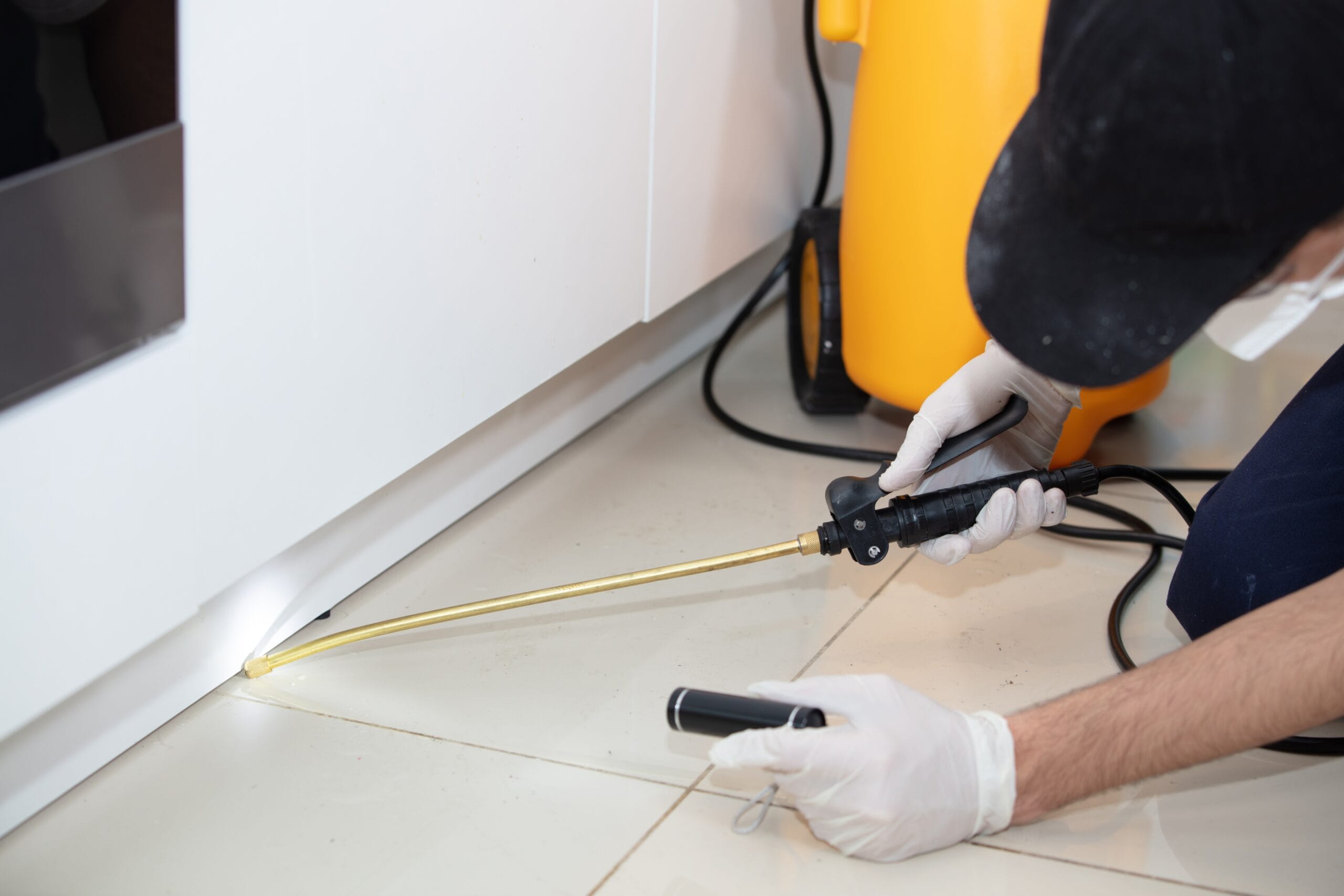
General pest control focuses on surface-level protection against visible crawling and flying insects. Treatments typically involve perimeter sprays, entry-point barriers, and targeted applications for pests that travel above ground.
Termite control addresses a different threat entirely.
Effective termite management targets underground colonies, soil conditions, moisture patterns, and internal wood structures. Termites build complex tunnel systems beneath the ground and inside walls, allowing them to feed continuously without exposure.
Unlike other pests, termites operate 24 hours a day. They do not rely on surface access points and are unaffected by standard pest sprays.
At Lavender Pest Control, general pest control services target ants, roaches, spiders, mosquitoes, millipedes, silverfish, and similar pests. However, termite control requires a separate and specialized approach.
Termite management relies on:
- Termite bait systems
- Bait monitoring stations
- Liquid soil treatments
- Targeted wood treatments
- Ongoing inspections
These methods are essential for eliminating active colonies and preventing future infestations.
What Makes Termites Especially Dangerous
Termites cause more damage than most household pests because they operate silently and invisibly. Their ability to remain hidden allows damage to accumulate long before homeowners realize there is a problem.
1. They Stay Out Of Sight
Subterranean termites build mud tubes that allow them to travel from the soil to wood structures without exposure to air. This makes detection extremely difficult without professional inspections.
Most homeowners are unaware of a termite infestation until significant damage has already occurred.
2. They Work Around The Clock
Termites never stop feeding. A single colony can contain hundreds of thousands of workers consuming wood continuously, day and night.
3. Damage Is Often Internal
Termites hollow out wood from the inside, leaving surfaces intact while weakening the structure underneath.
Common warning signs include:
- Sagging floors
- Hollow-sounding wood
- Bubbling or peeling paint
- Tight doors or windows
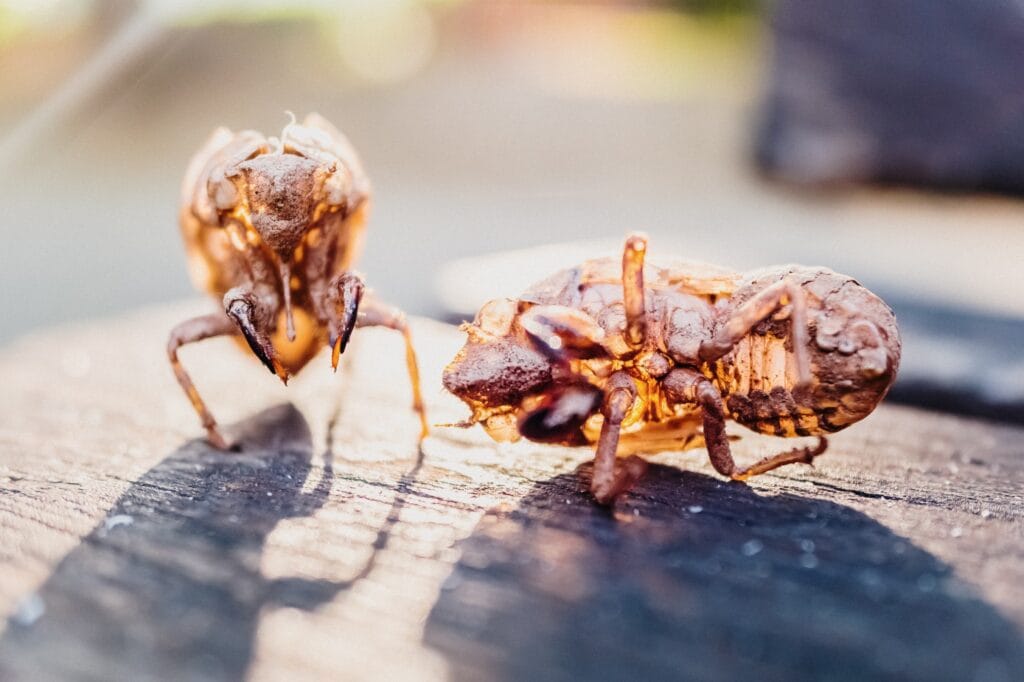
- Discarded wings or frass
…they are all indicators of a far advanced infestation.
4. They Require Specialized Products
Standard pest sprays are ineffective against termites because colonies exist underground and deep within wood.
Effective termite control requires professional-grade solutions such as:
- Sentricon baiting systems
- Termite monitoring stations
- Liquid soil barriers
- Wood treatments
- Industry-approved termiticides
This level of protection makes it essential to work with a company that specializes in termite control.
Why General Pest Control Can Create a False Sense of Security
Many homeowners assume that if they do not see pests, their home is protected. Unfortunately, termites do not follow this logic.
General pest control is effective against visible pests that respond to surface-level treatments. Termites require different inspection methods, chemicals, and long-term prevention strategies.
Without termite-specific inspections and treatments, infestations often go unnoticed until costly structural damage occurs. For this reason, Lavender Pest Control recommends separate termite inspections and annual assessments, even for homes already receiving general pest control services.
You’re One Infestation Away Without Termite-Specific Protection
A single missed inspection or ignored warning sign can allow a termite colony to grow unchecked. Colonies expand rapidly underground and can cause severe damage before homeowners are aware of the problem.
Key reasons termite-specific protection is critical include:
- Termites cause more damage to property than fire and storms do. It destroys billions of dollars each year, as estimated at the national level, and, in most cases, their insurance policy does not cover them in the homes of owners.
- It is through an unguarded house that colonies can pass very fast. One underground colony can penetrate over 100 feet underground, and this means that when your neighbors have termites, so do you.
- Colonies, soil, and wood are not treated during general pest control. Standard therapeutic methods are anxious over barriers, de-webbing, concentrated sprays, and entry, not structural percolation and subterranean action.
- Early detection is critical. The termites continue feeding month after month, and the repair costs are rising.
Without dedicated termite solutions and regular inspections, minor issues can escalate into major structural repairs.
What Effective Termite Control Really Looks Like
Effective termite control uses a proactive, multi-layered approach. Lavender Pest Control focuses on long-term protection for both residential and commercial properties.
1. Comprehensive Termite Inspections
The activity of a licensed technician begins with the examination of the exterior base and the condition of crawl spaces. They also inspect the baseboards, the attic, and other areas that might harbor moisture, which can serve as a habitat for termites.
The technician inspects the structural orifice using an inspection to check for signs of termite activity. They also investigate any evidence of past failed protection against termites.
This elaborate procedure will help identify active colonies and geographical areas that will be vulnerable to future attacks.
2. Targeted Treatment Options
It is possible to suggest specific solutions based on the situation. Liquid treatments create a protective coating against the soil and prevent the underground termites from entering the structure.
Termite bait stations halt activity and kill the colony, while also providing additional monitoring. We also have Sentricon systems, a high-tech, environmentally friendly baiting system that has been considered the industry standard. To ensure greater security, you can treat wood in any open or uncovered area at or around your home or business.
3. Long-Term Monitoring And Maintenance
Maintenance and monitoring in the long run should be taken, as the termites cannot be dealt with by a set-it-and-forget-it policy. Maintain the assessment, as that is the only sure way to avoid infestations later and ensure your house is fully secure.
4. Integrated Pest Management (IPM)
A smart green pest management system does not simply treat symptoms of the issue. It maintains every process, from inspection to application, in the safest and most efficient form possible and strives to protect in the long term. This approach enables a more sustainable and healthy defense against pests over time by using strategic approaches that are less susceptible to risk, leading to maximum protection.
DIY Termite Treatments: Why They Are Barely Effective
We like the beauty of homemade things. In the instance of termites, however, DIY is not typically effective in:
- Locate the primary colony
- Identify the underground settlement of satellites
- Cure significant gallery structures
- Wed into earthly or base adorations
- Monitor long-term activity
Store-bought products typically fail to reach where termites live and feed. Termite control requires professional equipment, training, and diagnosis.
For reliable elimination and prevention, working with a licensed termite control company is the safest and most effective option.
 The Advantage of Pest And Termite Control With Lavender Pest Control
We are a local pest control company, which means we are aware of the termite pressures in our market.
Unlike national chains, our team is familiar with:
- Local soil types
- Regional termite behavior
- Seasonal patterns
- Moisture-driven risks
- High-risk areas
We treat each property individually, focusing on long-term solutions rather than one-size-fits-all treatments. Our goal is to protect your home as if it were our own.
Why One Missed Inspection Can Lead To A Full-Blown Infestation
Without termite-specific protection, infestations often begin small and grow unnoticed. Over time, colonies expand and cause costly structural damage that could have been prevented with proper inspections and treatment.
The good news is that you don’t have to face termites alone.
Lavender Pest Control provides professional termite inspections, targeted treatments, and long-term monitoring to help keep your home protected, pest-free, and secure.