Are tiny armies of ants repeatedly invading your kitchen, bathroom, or living spaces? You’re not alone. Ant infestations are a common household problem, frustrating homeowners across the country. Understanding why ants are entering your home in the first place is key to effective prevention and control.
At Lavender Pest Control, we would like to help you discover why the ants are invading your home and how our pest control service will help you keep the ants from making themselves at home in your house.
Let’s get down to business and learn the most effective ways to handle these unwanted little creatures.
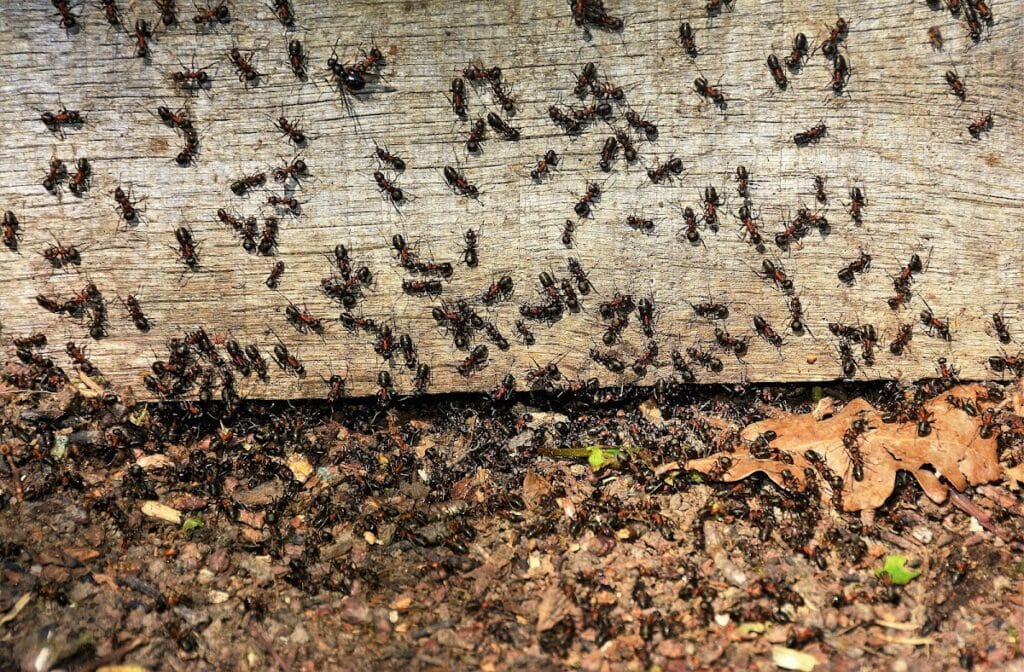 Why Do Ants Keep Coming Into Your Home?
Ants usually invade homes for three primary resources: food, water, and shelter. Here’s what makes your home an attractive destination:
1. Easily Accessible Food Sources
Food is typically the number one reason ants enter homes. Ants are particularly attracted to sugary substances, greasy leftovers, and protein-rich foods. Common sources include:
- Unsealed food containers
- Crumbs and spills on countertops and floors
- Pet food left unattended
- Open trash cans
2. Moisture and Water Sources
Ants, especially carpenter ants, seek out moisture-rich areas for survival and nesting. If you have dripping faucets, leaky pipes, or damp areas in your bathroom and kitchen, these conditions create an ideal environment for ants.
3. Suitable Shelter and Nesting Sites
Your home provides perfect shelter for ants to nest and breed. Cracks, crevices, holes in walls, flooring gaps, and even cluttered areas around your home can offer ants easy entry points and ideal locations to build colonies.
As soon as ants find food, they lay an ant trail that the rest of the colony follows, so you tend to see multiple ants going on the same path. In other cases, if you have an ant nest inside your home, the ant colonies increase quickly and become more challenging.
Common Types Of Ants That Invade Homes
All ants are not the same. Ants from various species will likely behave differently and give homeowners different issues. These are some of the most common ant species that may infest your home:
1. Odorous House Ants (Sugar Ants)
These tiny, brown ants are so-called because of the pungent, strong odor they emit when crushed. They are among the most common indoor ants that invade homes for food and water. Sugar ants are drawn to sweets, sugars, and proteins, and these ants commonly invade kitchen pantries.
2. Carpenter Ants
Carpenter ants are notorious for tunneling into wood to create their nests. Carpenter ants can cause extensive damage to the structure of your home, especially if they are not treated. These ants are attracted to moist, damp wood. They cause structural damage if left untreated.
3. Pharaoh Ants
These small, yellowish ants are typically found in kitchens and bathrooms, looking for food and water. They’re particularly unwanted because they carry disease. Pharaoh ants are usually tiny, pale-yellow ants drawn to warm indoor spaces, commonly invade kitchens and bathrooms.
4. Fire Ants
With their painful stings, fire ants will create enormous mounds in your yard. But they’ll march right into your house when their nests are disturbed.
5. Pavement Ants
These ants prefer sidewalk nesting but will come inside for food. They like greasy foods and candy. They often nest under concrete slabs, patios, and sidewalks, frequently invading homes through small cracks in foundations.
6. Crazy Ants
Crazy ants exhibit a runaway, seemingly aimless method of traveling. They are not genuinely hazardous but pesky in quantities.
Common Signs Of Ant Problems
Awareness of the warning signs of an ant infestation is crucial so that a minor issue does not become more serious. Some of the warning signs you might have an ant issue are:
- Sight of ant trails: Whenever you see ant trails going to and fro towards a food source, it means ants have found something that they like inside your home.
- Ant nests: If you see piles of sawdust or small piles of dirt along the base of your walls or corners, you may have a carpenter ant nest.
- Visible damage: If you see holes in wooden buildings or furniture, it may indicate carpenter ants.
- Live ants: The most straightforward sign of an ant problem is simply observing the ants themselves crawling around. If you find them in your kitchen, bathroom, or near food, it’s time to act.
Many homeowners rely on DIY pest control methods that provide only temporary relief. Ant sprays and traps might kill visible ants, but rarely eliminate the colony at its source. Common mistakes include:
- Only treating visible ants, missing hidden colonies.
- Using repellent sprays that scatter ants elsewhere.
- Failing to seal entry points and address underlying causes
To truly eliminate an ant infestation, you must target the entire colony, especially the queen ant.
How To Get Rid Of Ants (And Prevent Future Infestations)
Using ant bait is among the most effective strategies for eliminating ant infestations. Ant bait attracts worker ants, who then carry it back to their colony, eliminating the entire nest, including the queen. Various types of ant bait are available, such as liquid bait and bait traps. Place the bait strategically where you’ve observed high ant activity for optimal results.
Ant sprays provide an immediate but short-term solution. While these sprays quickly eliminate visible ants, they fail to address the root of the problem, hidden nests and colonies inside or around your home. For long-lasting results, targeting the colony itself is essential rather than only the ants you can see.
Preventative measures are crucial to avoiding future infestations. Seal cracks or crevices around windows, doors, and your home’s foundation to stop ants from entering. Ants can squeeze through even the tiniest gaps, so thorough sealing is necessary.
Maintaining cleanliness in your home is another critical step in preventing ant infestations. Regularly clean countertops, sweep floors to remove crumbs, and store food securely in airtight containers. By removing accessible food sources, you significantly reduce the likelihood of attracting ants.
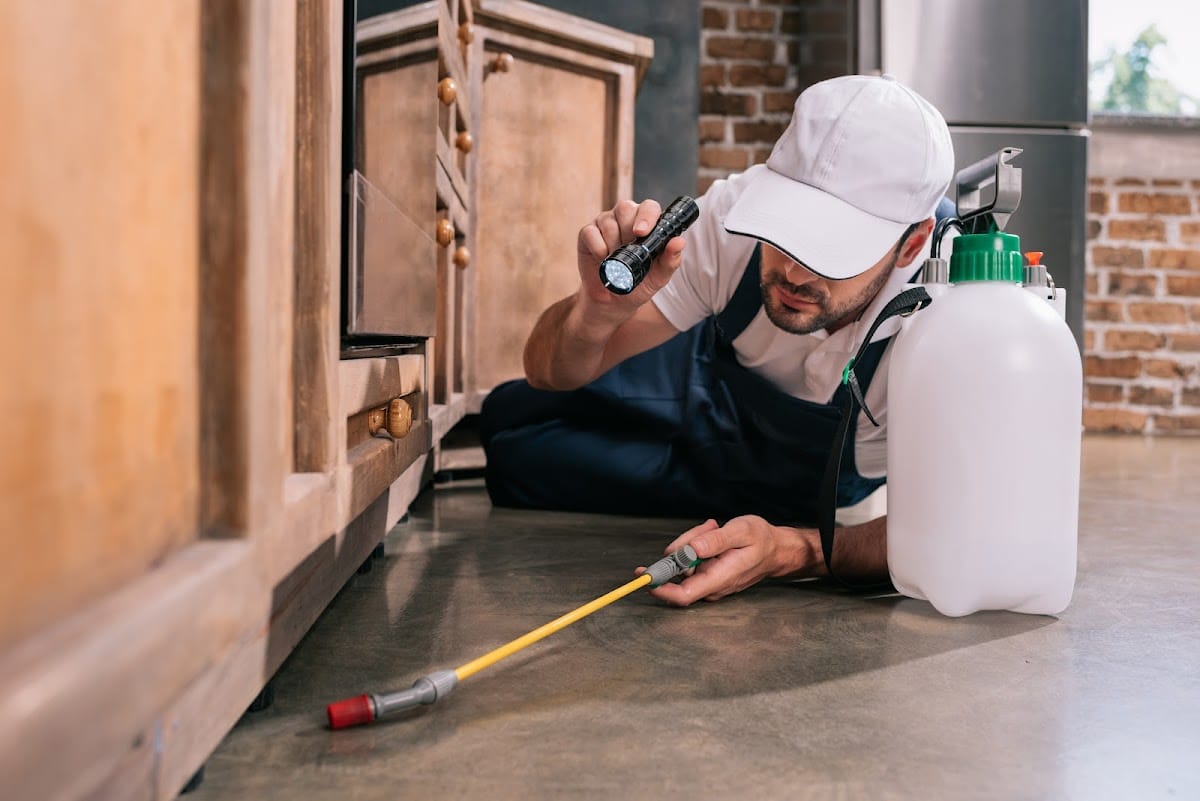
If you encounter a severe ant infestation, it’s advisable to consult a pest control professional. An experienced exterminator can perform a comprehensive inspection, accurately identify the specific ant species involved, and recommend a customized and effective ant control treatment plan.
Common Questions About Ant Infestations (FAQs)
Addressing commonly asked questions can also help homeowners understand and solve ant problems more effectively:
1. Are ants dangerous?
Most ants aren’t directly harmful, but carpenter ants can cause structural damage, and Pharaoh ants can spread bacteria. Address infestations quickly to avoid damage or health risks.
2. Why do ants suddenly appear in my house?
Ants usually appear when their outdoor food sources become scarce (often due to weather changes), pushing them to seek food and shelter indoors.
3. Do natural remedies like vinegar or cinnamon repel ants?
Natural remedies like vinegar, cinnamon, and citrus oils may temporarily disrupt ant trails, but they rarely eliminate the colony or provide a lasting solution.
4. Can ants damage my home?
Carpenter ants, in particular, can significantly damage wood structures, including walls, flooring, and framing. Prompt professional intervention is advised.
Why Professional Ant Control is Worth the Investment
DIY methods might seem cost-effective initially, but infestations often persist or recur without professional treatment. Hiring a professional pest control company provides:
- Expertise: Identifying the ant species accurately, choosing targeted treatments.
- Long-lasting results: Elimination of colonies, not just visible ants.
- Safety: Professionals use safe, eco-friendly products to protect your family, pets, and home.
- Preventative measures: Advice and treatments to reduce future infestation risks.
Professional ant control is a worthwhile investment when your home comfort and health are at stake. Ant infestations don’t have to become an ongoing nuisance. Understanding their behavior, eliminating attractants, sealing entry points, and seeking professional pest control services provide permanent solutions to ant invasions.
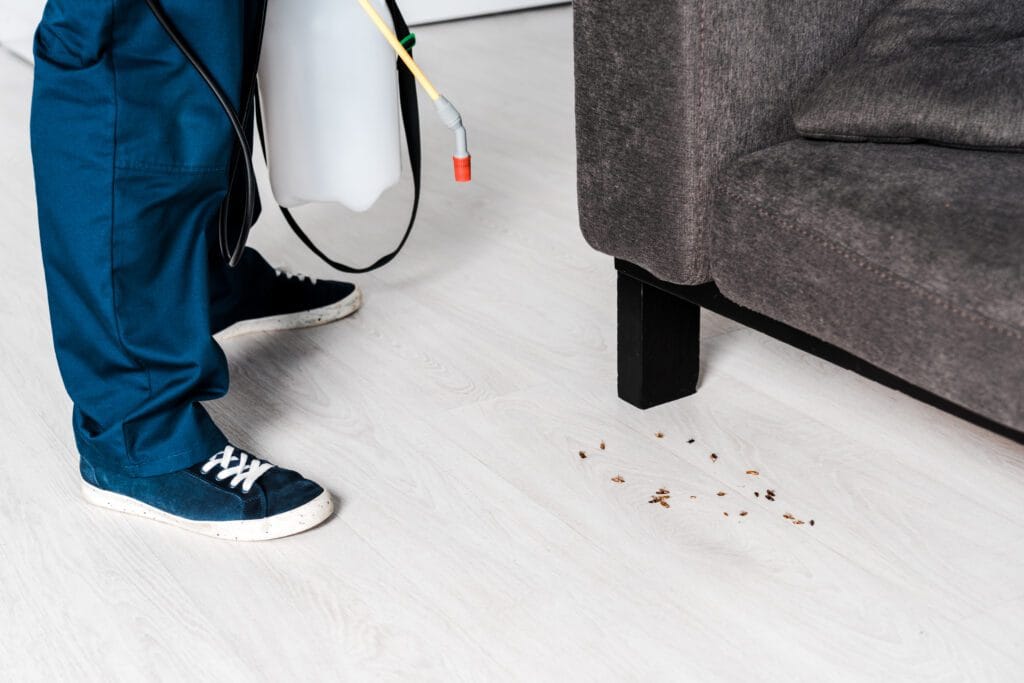 Why Choose Lavender Pest Control For Ant Infestations?
Selecting the right pest control service is crucial when facing an ant infestation. Lavender Pest Control, a family-owned and operated business serving northeast Georgia since 1977, stands out as a reliable choice for several reasons.
With over four decades in the pest control industry, Lavender Pest Control has developed a deep understanding of local pest behaviors and effective eradication methods. Our team of expertly trained and Georgia Department of Agriculture-registered technicians ensures that each ant infestation is addressed with precision and professionalism.
Call us now for a consultation and to schedule your professional ant removal service. We’re dedicated to keeping your home pest-free, including unwanted ants.
Let us help you eliminate ants and keep your home safe.