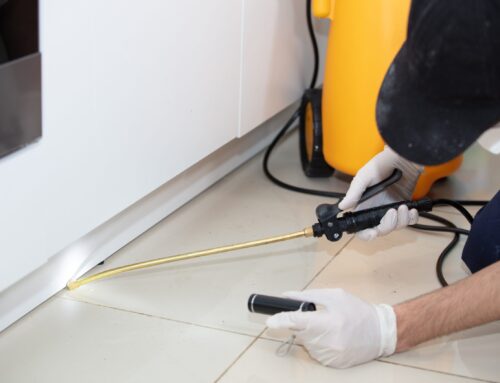

You clean the kitchen, set out a trap, and for several nights nothing moves. Then one runs across the floor by the dishwasher, and the urge to empty another can of spray under the cabinets is hard to resist.
The trouble with the can is that it answers the wrong question. It deals with the roach you saw. What keeps you seeing them is somewhere else, and repeated sightings usually trace back to one or more of three situations: roaches are living in a part of the house you can’t see, they’re walking in from outside, or they arrived inside something you carried in. Those are three different problems, and a home can have more than one at once. A fix aimed at one can leave the others untouched, which is how a house ends up quiet for a week and then right back where it started.
That’s the reason to bring in a professional once the problem repeats. The work starts with identifying the species and finding where the activity is coming from. Treatment comes second, placed where the evidence points.
Price follows the same order. If you’re comparing the cost of pest control for a roach problem in the Athens, Georgia area, a number means little until a licensed pest control professional has told you what the plan covers: the inspection, the treatment and the follow-up.
Why cockroaches keep returning
A spotless kitchen and an active roach problem can share the same house. Cockroaches need food, water and shelter, and they need very little of each, so a home can be clean by any reasonable standard and still support an infestation. That’s why the EPA’s guidance for preventing household pests starts with removing the food, water and shelter pests depend on.
So if the roaches are back, don’t read it as a verdict on your housekeeping. Cleanliness counts. So do the type of roach, the way it gets in, how much moisture is available and what’s going on in places you rarely look, such as inside a cabinet or under the sink.
Take the carried-in route first, because it’s the one you can check yourself. Look over boxes, bags and anything else arriving from elsewhere before it comes indoors. That habit stops new arrivals. It does nothing about a roach that came in earlier and found shelter, because at that point the problem is no longer a carried-in one. It’s become the first situation, roaches living somewhere in the house. So if sightings continue once you’re checking what comes through the door, look to the other two.
Those two, hidden indoors and walking in from outside, are harder to tell apart, and the difference matters because they call for different fixes. Treating the kitchen won’t close a gap under a door. Sealing the door won’t remove a colony that’s settled in behind an appliance. Guess wrong and you can put in real effort, enjoy a short lull, and still have the original problem. A professional inspection is meant to settle which situation you have before treatment begins.
You can make that inspection more useful before it happens. Note the date, time and room each time you see a roach, and take a picture when you can, ideally next to a coin or ruler for scale. Photograph anything else you suspect is connected, such as a dead roach or what look like droppings, before you clean it up. The technician may not find a live one during the visit, and size alone won’t tell anyone what kind of cockroach you’re dealing with.
How the type of roach changes the treatment plan
Species sounds like a detail for specialists, but it decides where the search begins. The University of Georgia’s guide to cockroaches points out that cockroach species behave differently and live in different places. The German roach is most often found inside the house, particularly around the kitchen, near warm appliances and water sources. American roaches prefer moist places like basements and sewers. Other species spend much more of their lives outdoors.
That’s why two sightings that sound alike can point in different directions. Small roaches turning up over and over around the dishwasher send a different signal than a single large roach by the door from time to time. Neither is a diagnosis in itself, but each tells a technician where to look first. For indoor activity, that might be the sides of appliances, the space between cabinets, plumbing penetrations and other protected spots. If the roaches may be coming in from outside, it might be doors, damp areas outdoors and anything that offers the pests cover.
It also explains how a plan can be sound and still wrong for your house. A German roach treatment plan may look very different from a plan for an American roach wandering in from outside. Before you sign up for either, ask which species was detected and what evidence supports the proposed scope of work. A useful answer names the species, says what was found and where, and ties each part of the plan to that finding. A vague one means the plan hasn’t yet been matched to your house.
What professional cockroach control should investigate
The approach that ties this together is integrated pest management, or IPM: inspection, prevention, treatment if it’s needed, and monitoring. The EPA’s description of IPM says it relies on identifying the pests and knowing their habits to help make informed control decisions. Under IPM, inspection and monitoring results guide where and when pesticides are applied, instead of the calendar alone.
For a homeowner, that comes down to two questions. Can the company determine where the problem originates, and will it keep monitoring after the first treatment?
After a first visit that meets that standard, you should know:
- which of the three situations the evidence points to, where the activity is and where it’ll be monitored
- whether moisture, accessible food, clutter or gaps are giving the roaches a way in or a place to hide
- where treatment is needed and how to prepare those areas
- what to watch for between visits, what to report and when the plan will be reassessed
The last item is easy to skip. Without an agreed point of reassessment, a roach three weeks later is hard to read, because you can’t say whether the plan is falling short or whether this is activity it was built to catch. So ask how long the treatment is expected to take to show results and at what point the company wants to hear from you. A usable answer gives you a timeframe and a threshold for calling, not a general assurance.
Some of what an inspection turns up isn’t pest control work at all. A company may recommend fixing a leaking pipe or replacing a worn-out door sweep, repairs that aren’t part of the treatment. Settle who’s responsible for them. A repair that belongs to no one tends to go undone, and the moisture or the gap stays where the roaches found it. A specific written recommendation is worth far more here than being told, in general terms, to keep the house clean.
If you rent, or live in an apartment or other multi-unit building, part of the answer may sit outside your unit. If the source is elsewhere in the building, work confined to your own rooms can’t reach it. Tell the property manager that you’re seeing roaches repeatedly, and ask whether inspection and repairs can be coordinated beyond your own walls, especially if the activity keeps showing up near shared pipes or other building fixtures.
Why DIY roach spray may not solve the problem
A can of spray may kill the roach it reaches. It does little about the ones you never see.
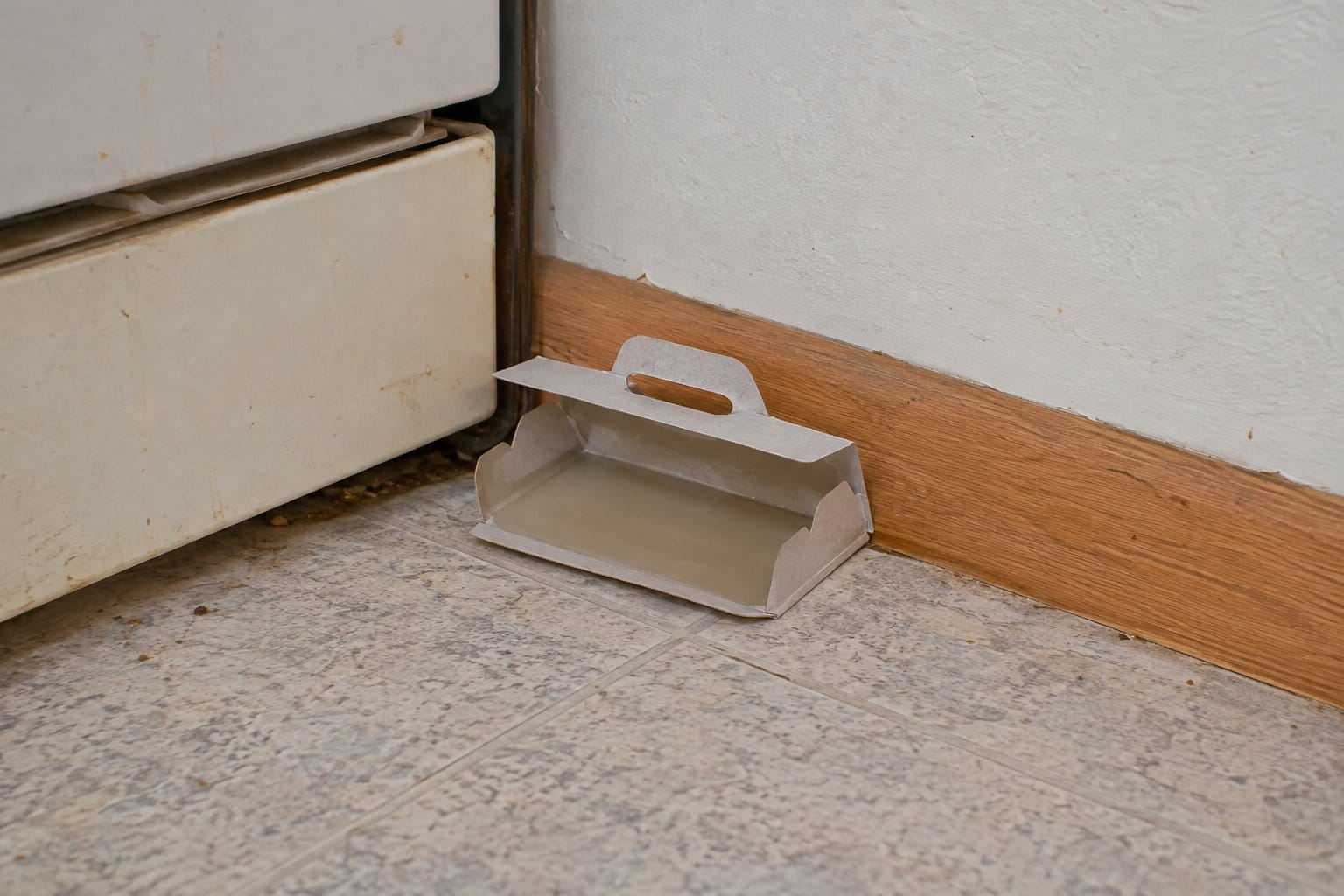
Professional treatment is built on different inputs: the type of cockroach, the conditions at the site and the label of the product being applied. It might involve baits or other targeted products. Monitoring devices such as sticky traps show where the insects are active and how that activity changes over time, which is something a spray can’t tell you.
The same University of Georgia guide suggests monitoring and bait products for German cockroaches, and notes that total-release foggers, commonly called bug bombs, aren’t effective against them. The lesson is about reach. However thoroughly a room is filled with a product, that doesn’t guarantee the product got to the places where the insects hide.
What you’ve already tried is still useful information. When you set the appointment, say which products you used and where you applied them, and keep the container or photograph the label. Before you add any product of your own after the technician’s visit, check with the company first. It knows what was applied and where, and it can tell you whether a spray of your own would work against the baits or monitors it placed.
Safety belongs in that conversation too. Tell the technician about any children or pets in the home and about your daily routine. Ask what must be done before treatment and when the treated area can be used again, then follow both the pesticide label and the technician’s instructions. If you’re unsure whether a product is safe around children or pets, ask what its label requires rather than assuming.
Cockroach extermination cost: compare written estimates
A recurring roach problem is hard to price before anyone has looked at it, because the price follows the work. Before quoting, a company needs to know the type of roach, where the activity is and how much effort treatment will take. A light problem in one accessible spot might cost less than a severe one spread across several rooms, and the number of visits expected moves the figure too. Lavender Pest Control in Athens provides a quote on request.
The harder part is comparing quotes, because two totals on two estimates rarely describe the same job. Take a hypothetical household with small roaches turning up around the dishwasher week after week. They collect two written estimates. The first is noticeably lower and covers a single interior treatment. The second costs more and lists an inspection, an initial treatment, monitoring, scheduled follow-up visits and a return trip if activity persists during a stated coverage period.
On price alone, the first quote wins. Whether it wins in practice depends on what happens after the first visit. If the activity turns out to be established indoors and continues, that hypothetical household is either paying separately for each return or starting over with another company, and the cheaper quote stops being cheaper. Change the facts and the answer flips. If the inspection points to an occasional roach wandering in from outside, the longer plan may be more service than the problem calls for, and the lower price may be the better deal because it covers everything that home needs. Neither quote is right in the abstract, and you can’t tell which one fits until each says what it includes.
So read the estimate before the total. One worth comparing names the treatment methods and spells out the follow-up: whether the inspection and first treatment are part of the price, which scheduled visits are covered, whether an additional visit is included if the infestation persists, what monitoring will take place and how long the coverage lasts. It’s also fair to ask whether the plan was built for roaches or simply lists them among the pests it covers. A standard home pest control service isn’t automatically sufficient for an active cockroach problem.
Three other items can move the total. Preparation is one: which rooms, cabinets or appliances have to be emptied, and who does that. Repairs are another, since sealing cracks and gaps may be included or charged extra. The third is the type of agreement. A one-time treatment and an ongoing pest control plan are different offerings, and the ongoing one can carry setup fees, recurring fees, a minimum commitment and a cancellation policy.
Common questions about roach treatment cost
How much does it cost to treat the whole house?
No single number fits, and a published average or price range may reflect another city or a different pest, so use it only as background. Square footage is worth giving the company, but treat it as a rough guide, because it doesn’t account for where the roaches are hiding or how easy those spots are to reach. Whether the sightings are concentrated in the kitchen or spread through several parts of the house tells more. Ask for an itemized breakdown of the indoor and outdoor work.
Is a one-time pest control service enough?
Sometimes. It hinges on the species and how well the activity has taken hold, and an indoor infestation often requires follow-up. If you choose a one-time visit, find out how continued activity will be assessed and whether a return appointment carries a fee, then compare that with the cost of a plan that includes follow-up visits.
What you can do before and after treatment
Start by making the inspection and treatment easy to carry out. Give the technician access to the rooms and spaces where you’ve been seeing roaches, and follow whatever prep instructions you were given. One limit applies: do not move a large appliance if doing so could hurt you or damage a water line.
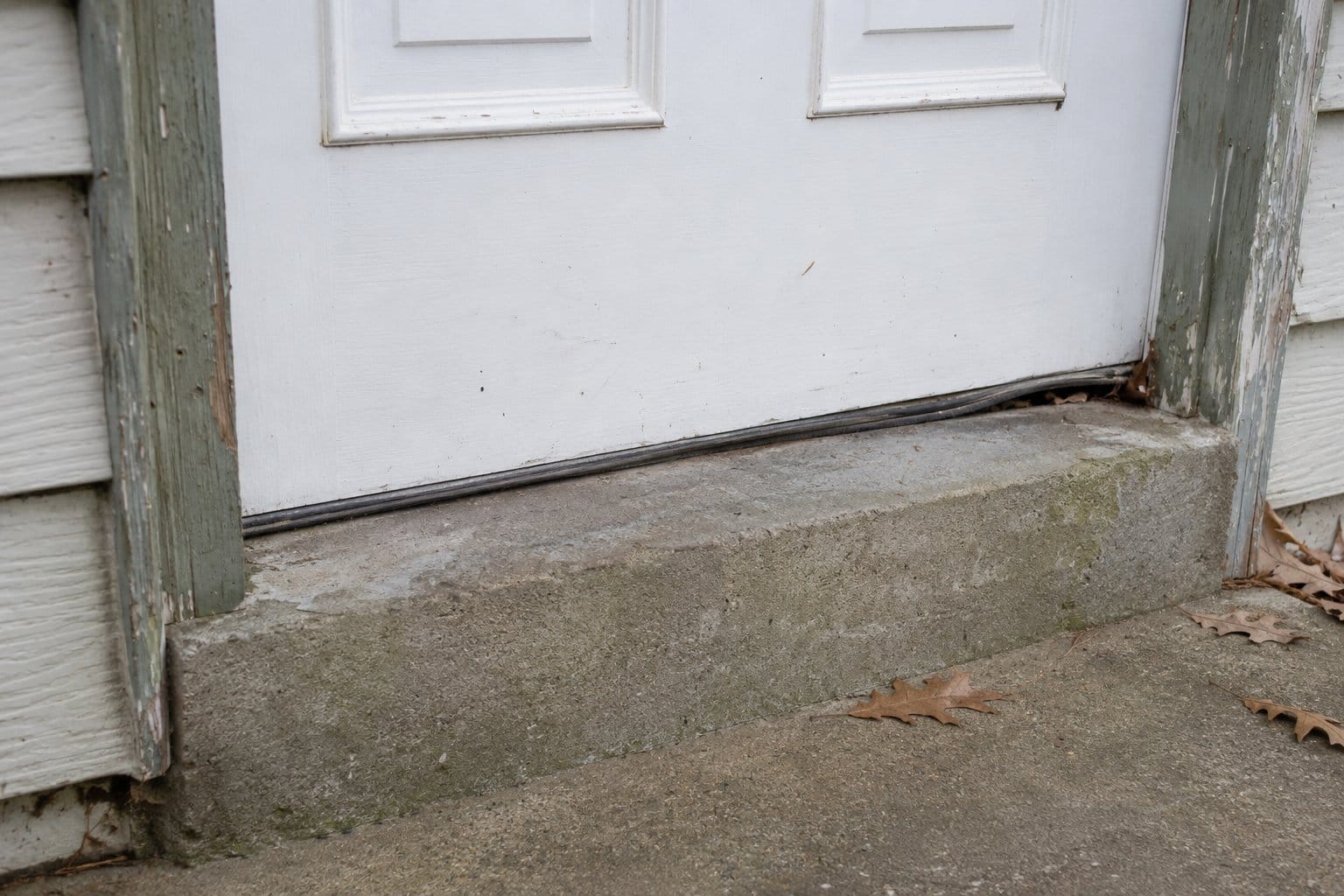
For prevention, the EPA recommends inspecting boxes and bags you bring inside, removing clutter, and caulking cracks and crevices. Alongside that, clean up drips and spills, put food away and remove the crumbs and grease you can get to. If there’s a water source you can’t easily reach or repair, tell the technician or your landlord about it. Outside, Lavender suggests cleaning out gutters, keeping leaves and firewood away from your house, and caulking around doors and windows. Not every step applies to every home, so take the ones that fit yours.
After treatment, keep recording sightings with the date and place. Ask how to clean around treated areas and when you can call the pest control company with questions. Then judge the program against the timeframe you were given. One night without a single roach doesn’t show that it worked, and one late-night sighting doesn’t show that it failed. The follow-up schedule exists so that ongoing activity gets evaluated properly.
Choosing a plan for recurring roaches in Athens
If you live in the Athens area, Lavender Pest Control is one company you can put these questions to. It inspects the home before building a custom pest control program, and its website describes an initial indoor and outdoor service followed by quarterly exterior visits, with indoor service available when you need or request it.
For a roach problem, the indoor part is the detail to pin down. Quarterly exterior visits run on a schedule, while small roaches that keep showing up in the kitchen need attention indoors, where the activity is. A general quarterly schedule doesn’t by itself tell you how that indoor work will go, so ask specifically about cockroaches: what the inspection involves, how they’re treated, how sightings you report between scheduled visits are assessed and whether roach treatment is included in the plan.
Bring your dated notes and photos, along with a list of what you’ve already tried, so the company has something to reason from. To have that conversation or request a quote, contact Lavender at (706) 549-8759.
Whichever company you choose, the test of a plan is the same, and a treatment date on the calendar doesn’t meet it. You should come away knowing which of the three sources the evidence points to, what’ll be done about it, what you need to change at home and how anyone will know it’s working.